

The Cost of Neglecting Grease Trap Maintenance
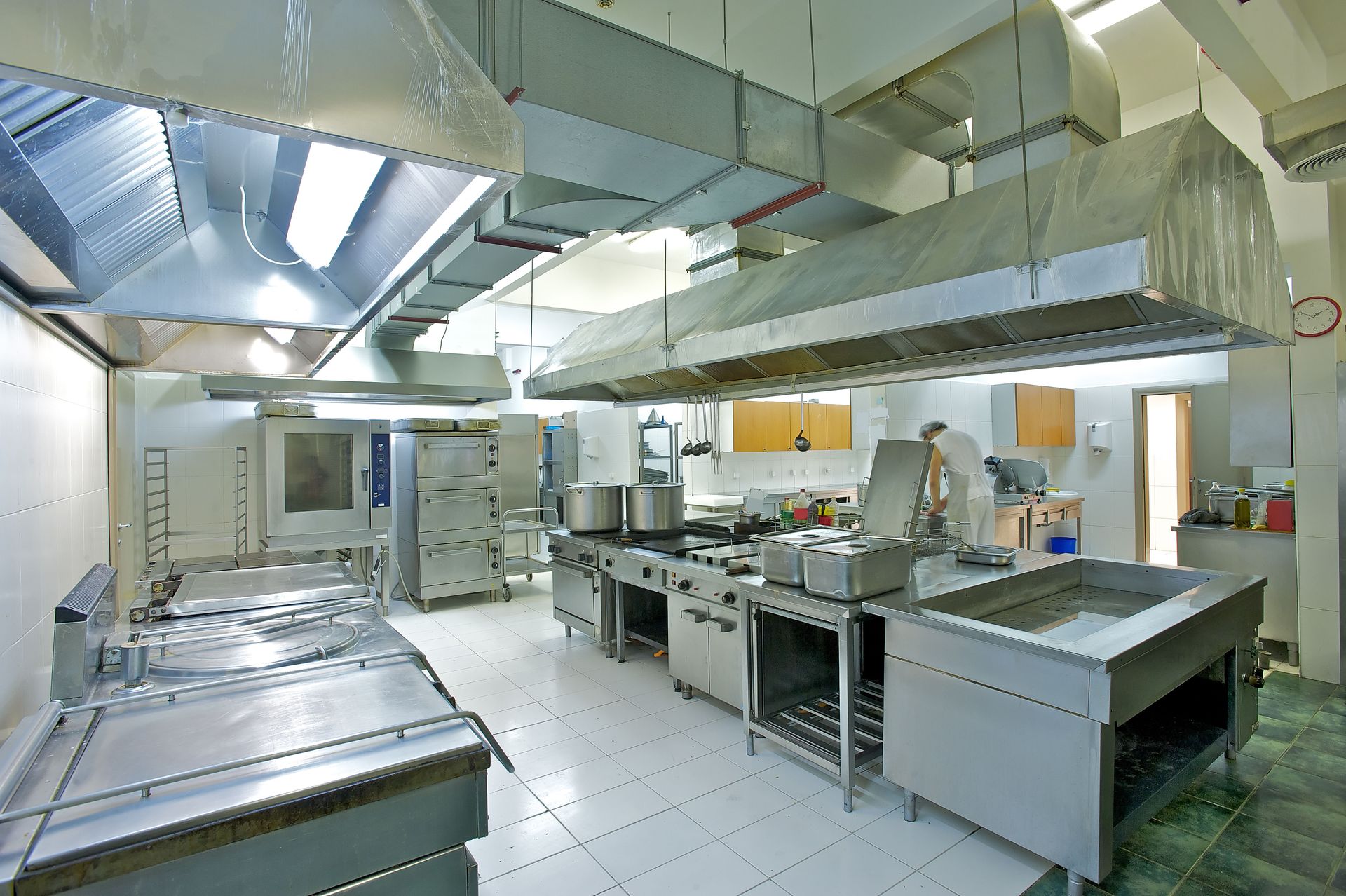
In a busy commercial kitchen, attention is usually focused on food quality, service speed, and customer satisfaction. Managers monitor inventory, staff coordinate orders, and equipment runs continuously to meet demand. What often goes unnoticed is the system working quietly behind the scenes to prevent serious plumbing and environmental issues: the grease trap. It does not generate revenue or appear in marketing materials, but it plays a direct role in keeping operations compliant and uninterrupted. When it functions properly, no one thinks about it. When it fails, it becomes everyone’s problem—from kitchen staff to ownership.
Neglecting grease trap maintenance can lead to far more than a simple clog. Minor buildup can quickly escalate into drainage failures, foul odors, health concerns, and unexpected shutdowns. The financial, operational, and reputational consequences compound fast, especially in high-volume environments. Consistent grease trap services are not simply routine upkeep—they are a strategic investment in protecting the business from avoidable risk, regulatory penalties, and costly emergency repairs.
Understanding The Role of Grease Traps
Grease traps are engineered to capture fats, oils, and grease (FOG) before wastewater flows into municipal sewer systems. Because grease is lighter than water, it rises to the surface inside the trap while treated water exits. This separation process protects internal plumbing and public infrastructure.
In high-volume kitchens, significant amounts of grease are produced daily. Even with careful scraping and disposal practices, residual FOG inevitably enters drains. Without a properly maintained trap, that grease travels directly into pipes, where it cools, hardens, and adheres to interior surfaces.
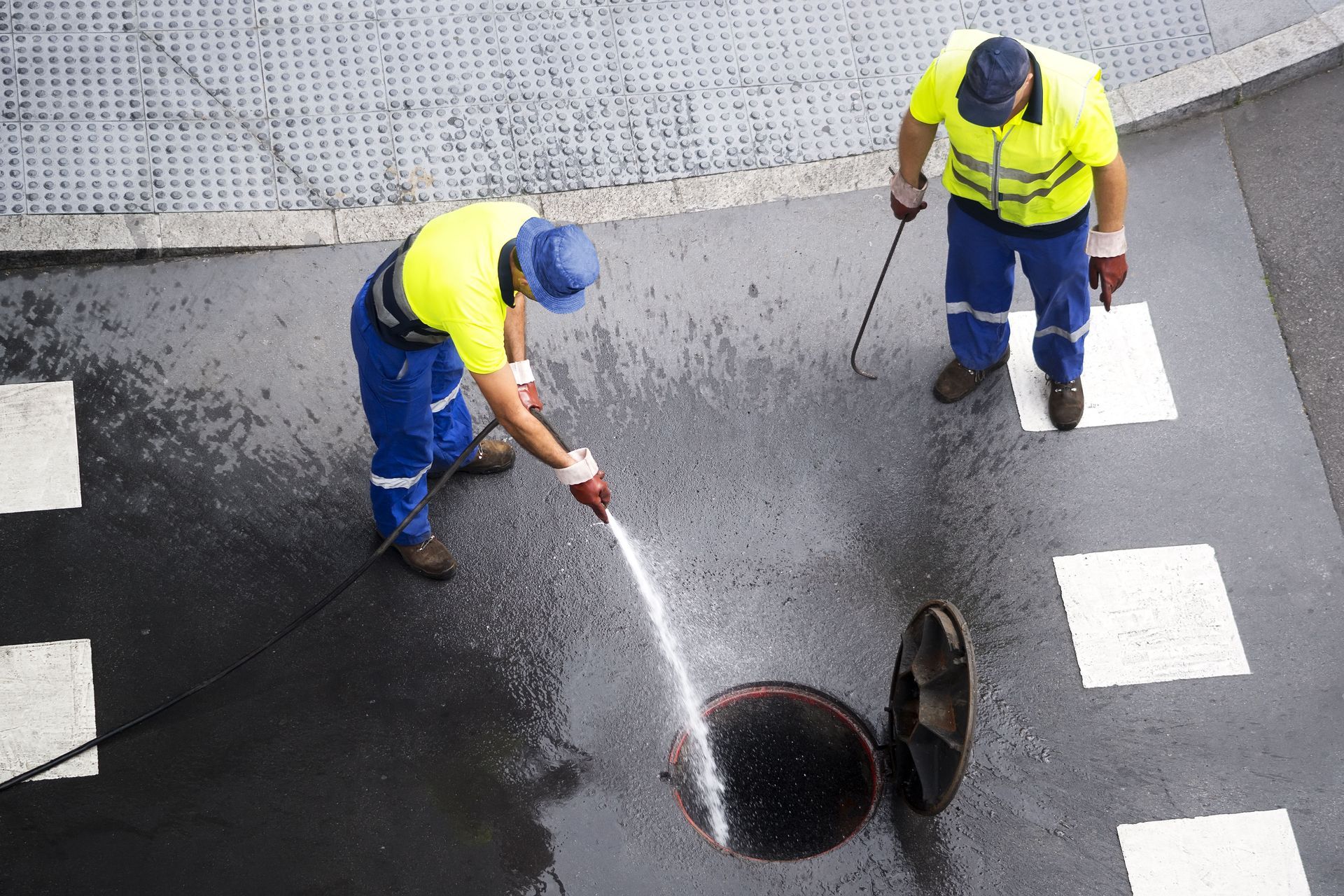
Over time, buildup narrows pipe diameter and restricts water flow. This not only increases the likelihood of clogs but also reduces overall drainage efficiency. Reliable grease trap services remove accumulated waste before it compromises performance, keeping operations steady and predictable.
Recognizing The Early Warning Signs
Grease trap problems rarely appear without warning. Slow-draining sinks are often the first sign that FOG levels are exceeding safe capacity. Staff may also notice gurgling sounds in drains or persistent odors that cleaning products fail to eliminate.
These warning signs are easy to dismiss during a busy shift. However, postponing action allows grease to thicken and solidify further. What begins as a manageable maintenance issue can quickly become a blockage affecting multiple drains.
Regular inspections and scheduled grease trap services make it possible to identify and correct problems early. Instead of reacting to emergencies, businesses stay ahead of potential disruptions. That proactive approach supports smoother daily operations and reduces stress for management and staff alike.
Calculating The True Financial Consequences
The financial impact of neglect is rarely limited to one invoice. Emergency plumbing services often involve after-hours labor, specialized equipment, and immediate cleanup. Costs escalate quickly, especially when wastewater backups contaminate kitchen areas.
In addition to repair expenses, downtime carries its own price. Lost sales, canceled reservations, and reduced service capacity directly affect revenue. Even a short closure can create scheduling complications and payroll inefficiencies.
Regulatory penalties further increase the risk. According to The Restaurant Warehouse, the fines for failing to properly maintain a grease trap can be staggering, sometimes reaching over $100,000. For many small and mid-sized businesses, a fine of that magnitude could jeopardize long-term viability.
Routine grease trap services, by comparison, are predictable and manageable. They allow businesses to budget accurately and avoid the volatility of emergency spending. Over time, consistent maintenance proves far more cost-effective than reactive repairs and compliance violations.
Protecting The Plumbing and Infrastructure
Grease does not simply sit inside pipes; it alters their condition. As buildup accumulates, it creates internal pressure and restricts water flow. This pressure strains joints and weakens seals, increasing the likelihood of leaks or ruptures.
Corrosion is another concern. When grease combines with food particles and cleaning chemicals, it can accelerate deterioration within plumbing systems. Left unaddressed, this damage may require partial or complete pipe replacement.
Structural repairs can be particularly disruptive. Accessing underground or concealed plumbing often involves cutting through flooring or walls. These repairs interrupt service, generate additional construction costs, and may require temporary closure.
Professional grease trap services protect infrastructure by preventing excessive buildup in the first place. Maintaining optimal trap performance reduces strain on plumbing components and extends their usable lifespan. Protecting infrastructure is not just about avoiding inconvenience; it is about preserving capital investments.
Preventing The Health and Environmental Risks
A neglected grease trap creates unsanitary conditions. As FOG accumulates and decomposes, it emits strong odors that spread through kitchen and dining areas. These odors are not only unpleasant but also indicative of bacterial growth.
Stagnant grease attracts pests, including insects and rodents. In foodservice environments, pest activity can trigger immediate health violations. Failing an inspection can result in fines, required corrective measures, or temporary closure.
Environmental consequences extend beyond the kitchen. When grease enters municipal sewer systems, it contributes to large-scale blockages that disrupt wastewater treatment. Overflow events can contaminate streets, storm drains, and local waterways.
Responsible grease trap services minimize these risks. By removing waste before it escapes into public systems, businesses protect both public health and environmental resources. Demonstrating environmental responsibility also strengthens community relationships and reinforces a positive brand image.
Preserving The Business Reputation
Reputation is built over time but can be damaged quickly. Customers expect clean facilities and consistent service. Plumbing backups, visible drainage issues, or lingering odors can create negative impressions that last long after repairs are completed.
Online reviews amplify these experiences. A single customer encounter involving sanitation concerns can influence future purchasing decisions. In competitive markets, reputation often determines customer loyalty and long-term growth.
Investing in consistent grease trap services reflects a commitment to operational excellence. Customers may never see the grease trap itself, but they notice the absence of problems. Clean restrooms, odor-free dining areas, and uninterrupted service contribute to a positive overall experience. Maintaining trust requires attention to every operational detail, including those behind the scenes.
Establishing The Long-Term Maintenance Strategy
Effective grease management requires structure and accountability. Waiting until a problem arises creates uncertainty and unnecessary expense. A scheduled maintenance plan transforms grease trap care into a routine operational task rather than a reactive emergency.
Professional grease trap services typically include inspection, pumping, cleaning, and documentation. These service records are valuable during regulatory reviews and demonstrate compliance with local requirements. Clear documentation reduces the administrative burden associated with inspections.
Staff involvement also plays a role in long-term success. Training employees to scrape plates properly, dispose of oil responsibly, and recognize early warning signs strengthens overall maintenance efforts. When internal practices align with professional grease trap services, results are more consistent and sustainable.
Insurance considerations further reinforce the value of routine maintenance. Businesses with documented service histories may present lower risk profiles, which can influence coverage terms or premiums. Reducing preventable claims benefits both insurers and operators.
A long-term strategy replaces uncertainty with predictability. Maintenance becomes a scheduled investment rather than a financial surprise. Grease trap maintenance is not optional overhead; it is a foundational component of responsible commercial kitchen management. Neglect can result in plumbing failures, health violations, environmental damage, and significant financial penalties. With fines that can exceed $100,000, the stakes are too high to ignore.
Consistent grease trap services protect infrastructure, support regulatory compliance, preserve brand reputation, and reduce long-term operating costs. Preventive maintenance offers stability, predictability, and peace of mind in an industry where unexpected disruptions are already common. To protect your operations, reputation, and bottom line from preventable risk, schedule professional grease trap services with All American Septic.
Share On: