

Extending the Lifespan of Your Septic System with Proper Maintenance
The longevity and efficiency of a septic system depend largely on how well it is maintained. Proper upkeep can not only save homeowners money in the long run but also protect the environment. By understanding septic systems, implementing routine maintenance, and promptly identifying issues, homeowners can optimize performance and reduce the likelihood of more expensive fixes. Consulting a local septic company for periodic inspections and maintenance recommendations can also help prevent avoidable problems.
Septic System Fundamentals
Components and Operation
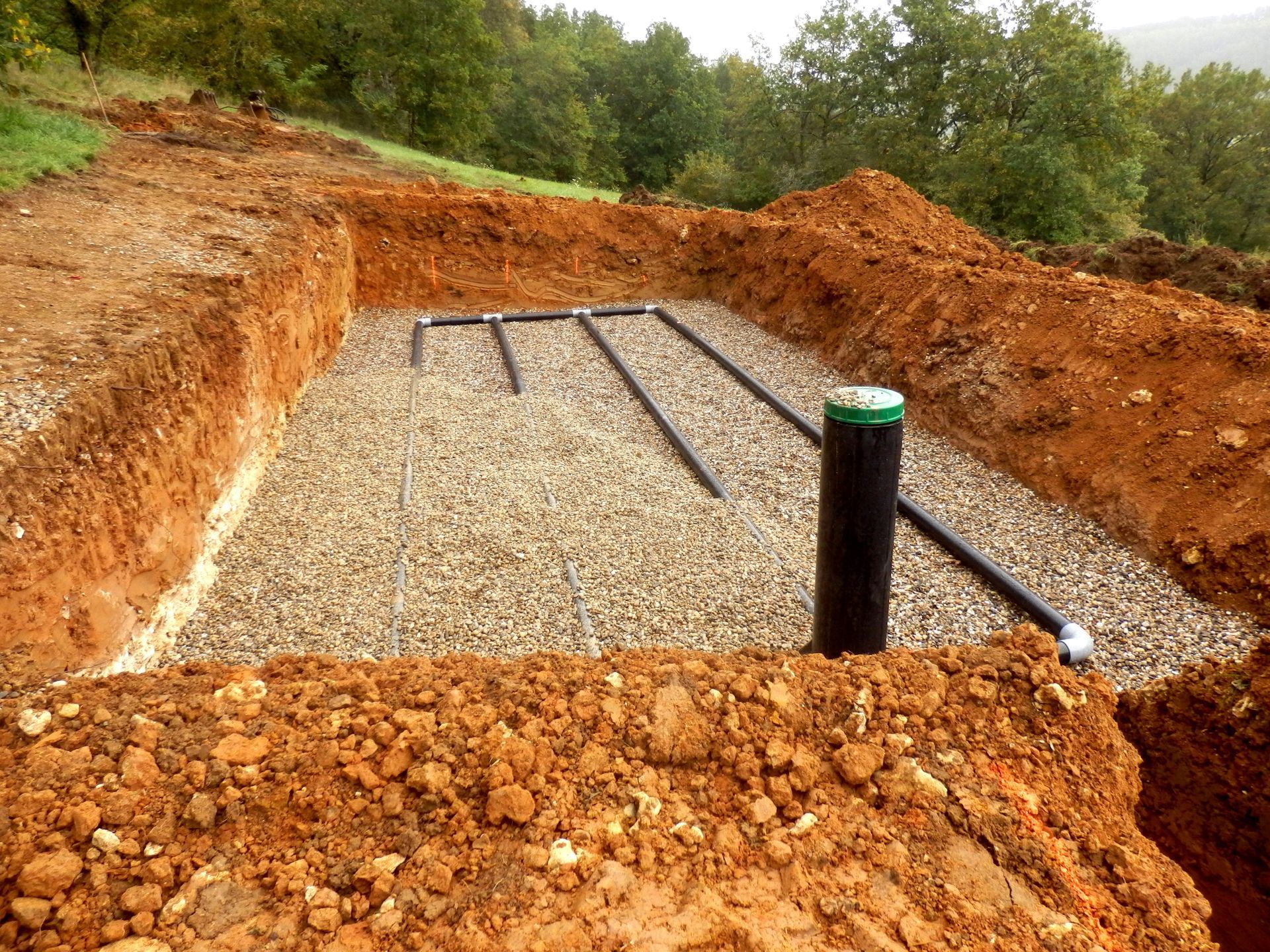
Septic systems are essential for waste disposal, especially in areas without centralized sewer systems. The system typically consists of a septic tank, a drain field, and connecting pipes. Wastewater from the home flows into the tank, where solids settle and decompose. Liquid effluent then moves to the drain field, where it is further treated by soil microbes. A proper understanding of how these components work together is crucial for effective maintenance.
The tank serves as the first stage of treatment, holding wastewater long enough for solids to form sludge at the bottom and oils to float as scum at the top. Bacteria in the tank begin breaking down solid waste, which reduces the volume of sludge. Over time, the sludge accumulates, underscoring the need for regular pumping. Drain fields help in the final treatment process, allowing effluents to seep into the soil where impurities are removed, and the water recharges groundwater supplies. Maintaining the efficiency of each component is necessary to avoid system failures. When questions arise about system performance, a local septic company can provide guidance based on the system's specific design and condition.
Proper operation acknowledges that while such systems are effective, they require routine maintenance to function optimally. Homeowners must ensure that daily usage does not exceed system capacity. Awareness of how much water is used and what enters the system, such as biodegradable waste versus non-degradable items, is critical. Overload at any point in the system, whether through excessive water use or the introduction of harmful chemicals, can lead to failure.
Types of Septic System
Not all septic systems are identical, and their type will dictate specific maintenance needs. Conventional systems are the most common, using gravity to manage wastewater flow into a trench or bed. Other systems, like aerobic treatment units (ATUs), use oxygen to increase bacteria's efficiency in breaking down waste. Chamber systems, for instance, use plastic pipes to replace gravel in the trenches for more effluent dispersion. Each type has particular needs, from maintenance frequency to specific treatment practices.
Understanding the type of septic system in place is as important as maintaining it. Each system type's characteristics determine the best maintenance practices to avoid common pitfalls. For example, ATUs often require more frequent inspections and maintenance because of their mechanical components. Meanwhile, conventional systems might simply require adherence to scheduled pumping and careful waste disposal. Having a handle on your system type can inform which issues to watch for and what professional support might be necessary from a local septic company.
A proactive approach to identifying and understanding your system type helps plan appropriate maintenance and anticipate potential concerns. This way, tailored maintenance plans help extend the system's lifespan and maintain its efficiency.
Signs of a Failing Septic System
Early detection of septic system failure can prevent extensive damage and costly repairs. Tell-tale signs of a malfunctioning system include slow drains throughout the home, persistent foul odors near the tank or drain field, and pooling water or overly lush vegetation in the drain field area. These symptoms indicate that wastewater may not be properly distributed or treated. Internal plumbing backups or gurgling sounds can also be clues pointing to potential system issues. Being vigilant about these signs can save time, money, and environmental stress.
Awareness is the first step in addressing problems before they escalate. Regular household checks can deter significant system failures. Homeowners should look for troubling signs at least once a month and conduct more comprehensive checks biannually. The appearance of untreated wastewater on the ground or the toilet, sinks, and other plumbing backing up are red flags for homeowners to contact a local septic company for a professional evaluation. When caught early, most issues can be rectified with minimal intervention.
Ignoring signs of failure can lead to environmental hazards and property damage. Contaminated groundwater or surface water may result from failing systems, posing health risks not just to the homeowner but potentially to surrounding communities. Addressing potential issues sooner rather than later also aligns with local environmental protection regulations and personal safety standards. Proactive identification and resolution of septic system problems will result in a healthier living environment and sustained quality of the system's operation. Maintaining as much environmental integrity as possible benefits both property values and ecological health.
Routine Maintenance Practices
Regular Pumping Schedule
Pumping is a critical component of septic system maintenance and prevents the buildup of sludge and scum in the tank. Without regular removal, these solids can overflow into the drain field, risking system failure. According to the EPA, septic tanks have to be pumped every 3 to 5 years. A consistent pumping routine can prevent backups, system failures, and groundwater contamination. Scheduling regular pump-outs with a trusted local septic company aligns with planned checks, setting a solid foundation for further maintenance and problem prevention.
Unscheduled or delayed pump-outs may lead to costly repairs or replacements. Not only does postponing pumping put the system at risk, but it also potentially violates local health codes. Over time, failing to maintain regular pump-out schedules can contribute to environmental hazards and significantly increase future liabilities. It's essential to adhere to recommended cycles to sustain system health, safety, and compliance. By promoting a systematic approach to pumping, users can benefit from improved service longevity and consistency.
Water Conservation Techniques
Water conservation plays a crucial role in maintaining the efficiency of a septic system. Reducing water intake decreases pressure on the septic system, allowing solids to settle in the tank. Techniques such as installing high-efficiency toilets, promptly repairing leaks, and using energy-efficient washing machines drastically reduce water use. System strain can be alleviated through diligent monitoring and prompt attention to household habits. Good conservation practices typically improve system performance and help sustain natural resources.
Conservation efforts also translate into lower household utility bills and the conservation of natural groundwater resources. Many communities now actively encourage conservation through education and incentive programs, reinforcing the importance of responsible water use. In combination with septic maintenance and advice from a local septic company, these practices maintain system balance while decreasing operational costs.
System Load Monitoring
Monitoring system load helps prevent overwhelming the septic system and leads to smoother operation. By tracking water usage trends and household habits, homeowners can adjust and refine practices to keep system loads manageable. Seasonal spikes in system use, such as during holidays or events, often necessitate more strategic water management plans. Balance daily activity levels by alternating tasks that use water, like laundry and showers. Homeowners should also perform regular checks for signs of internal plumbing issues, water discoloration, or inconsistent pressure.
Load management complements routine inspections and appropriate usage guidance, resulting in peak system efficiency. Regular communication between family members fosters shared understanding and coordinated efforts to manage household water loads. Responsible load balancing fosters an understanding of direct cause-and-effect relationships, empowering households to take meaningful steps to optimize septic performance. Scheduling periodic evaluations with a local septic company can provide additional peace of mind and help identify developing issues before they become expensive repairs.
A well-maintained septic system is an investment in the long-term health of a home, the surrounding property, and the environment. Staying proactive with inspections, pumping, water conservation, and prompt repairs can significantly reduce the risk of costly failures while extending the life of the system. When professional maintenance or expert guidance is needed, partnering with a trusted
local septic company is one of the best ways to protect that investment. All American Septic provides reliable septic services and knowledgeable support to help homeowners keep their systems operating efficiently for years to come.


Share On: