

Why Grease Trap Services Matter for Commercial Kitchen Operations
The operational efficiency of commercial kitchens heavily hinges on having a well-maintained infrastructure. One critical component in this setting is the grease trap, a device that plays a pivotal role in separating grease and oils from water. Not only do grease traps help comply with health and safety regulations, but they also have significant financial and environmental implications. Regular grease trap services avoid unwanted plumbing emergencies, preserve local sewage systems, and prevent costly fines or lawsuits.
The Basics of Grease Traps
Defining Grease Traps
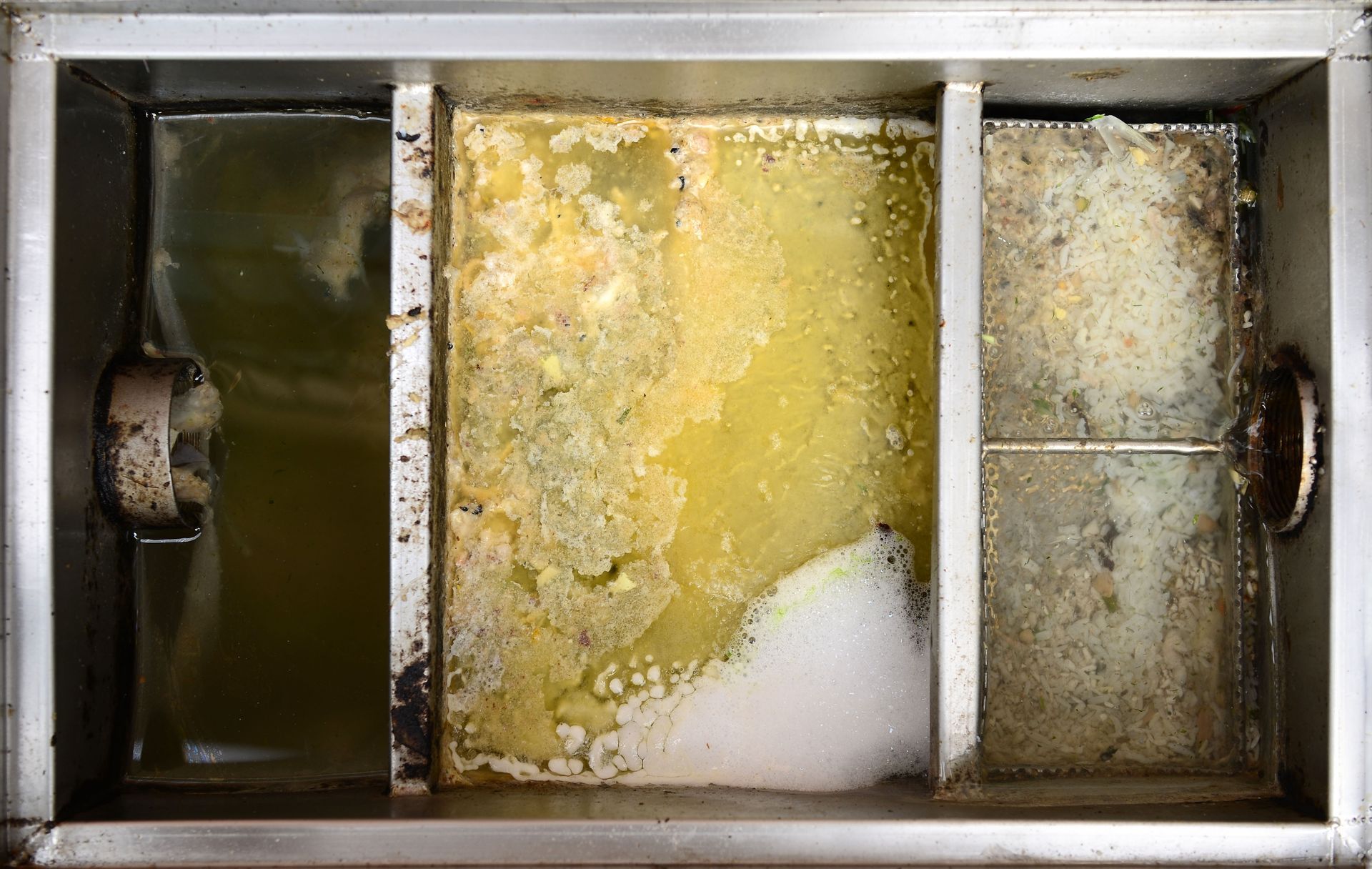
A grease trap, also known as a grease interceptor, is a plumbing device designed to capture fats, oils, and greases before they enter the wastewater system. These devices are crucial for commercial kitchens, preventing blockages in plumbing that can lead to costly repairs and shutdowns. The primary purpose of a grease trap is to collect solidified grease, which tends to float on water, allowing cleaner water to flow through the drainage system. By keeping grease out of sewer lines, grease traps ensure the smooth operation of both private plumbing systems and public sewer facilities. Consequently, these tools play a vital role in maintaining kitchen hygiene and environmental compliance.
Explaining Their Functions
Grease traps function on the simple principle of gravity and cooling. As wastewater from kitchen sinks enters the grease trap, it slows down, allowing the water to cool. This cooling separates the grease from the water because the lighter grease floats to the surface while the heavier particles sink to the bottom. The remaining grease-free water exits through a pipe located at the bottom of the trap, entering the sewage system. By effectively filtering out insoluble fats, oils, and greases, grease traps protect plumbing infrastructures from blockages and malfunctions.
Installing and Maintaining
Proper installation is key to ensuring that grease traps function optimally. Installation should comply with local building codes and be carried out by certified professionals. Regular maintenance, which involves frequent cleaning and inspection, is crucial for functional effectiveness and longevity. Most regions mandate cleaning every three months, but high-volume kitchens might need more frequent grease trap services. Neglecting these requirements can result in clogged systems and increased risk of significant fines for non-compliance.
The Impact on Commercial Kitchen Efficiency
Prevention of Drain Blockages
The foremost advantage of employing grease traps is the prevention of drain blockages. Accumulated grease in drainage systems leads to persistent clogs that disrupt kitchen workflow and require expensive repairs. Grease traps capture most of this grease before they reach the drainage system, ensuring a smooth passage for wastewater. This preventative measure saves commercial kitchens both time and financial resources in the long term. Seamless drainage aids in maintaining a hygienic work environment, crucial for food safety compliance.
Reduction in Plumbing Costs
Proper grease trap management significantly reduces the financial strain associated with plumbing repairs. The continual build-up of grease clogs leads to sewer line damage, requiring extensive—and costly—repairs. By capturing grease early, grease traps avert frequent plumbing call-outs and expensive interventions. The savings garnered from reduced emergency plumbing situations can be redirected towards more productive business activities. Consequently, investing in grease trap maintenance translates into considerable cost savings for kitchen operations over time.
Improved Kitchen Hygiene
Kitchens that maintain their grease traps routinely enjoy improved hygiene standards. Overflow or backups from unmanaged grease traps pose significant health hazards, leading to unsanitary conditions and unpleasant odors. Moreover, kitchen areas with compromised hygiene fail to meet health regulatory standards, risking shutdowns or hefty fines. Regular cleaning schedules mitigate these issues, preserving the sanitary integrity of the workspace. Consistent grease trap maintenance ultimately contributes to a cleaner, healthier, and safer kitchen environment.
The Legal and Environmental Considerations
Knowledge of Environmental Protection Laws
Grease traps play a significant role in supporting efforts to meet environmental protection laws. These laws often require businesses to manage waste responsibly, minimizing their footprint on local ecosystems. Oily waste severely impacts waterways, making grease management a crucial compliance element in environmental policies. Responsible grease management also contributes positively to a business's public image as an eco-friendly entity, enhancing customer trust and loyalty. With increased attention on sustainable practices, properly maintained grease traps are integral in conforming to evolving environmental standards.
Impact on Local Sewage Systems
One of the understated impacts of unmaintained grease traps is the strain on local sewage systems. Excess grease accumulation can lead to blockages in public waste lines, requiring costly municipal interventions. Such incidents not only increase public maintenance bills but can also result in service disruptions affecting larger community areas. Grease traps reduce the volume of waste grease entering public systems, thus playing a critical role in maintaining sewage infrastructure. Therefore, the diligent upkeep of these kitchen devices supports broader community and environmental sanitation endeavors.
Penalties for Non-Compliance
Non-compliance with grease trap regulations can trigger severe penalties for commercial kitchens. According to The Restaurant Warehouse, the penalties for failing to properly maintain a grease trap can be staggering, possibly reaching $100,000, making them a necessity rather than an option. Besides excessive financial penalties, law violations may lead to permit revocations or suspensions. Severe long-term restrictions or immediate operational shutdowns can result in irreversible reputational damage and loss of business. Maintaining regulatory compliance through proper grease trap services assists in avoiding these costly scenarios, ensuring business continuity and peace of mind. The potential financial and operational setbacks underscore the importance of prioritizing grease management.
The Search for the Right Service Provider
Qualifications and Certifications
Choosing reputable grease trap services begins with examining their qualifications and certifications. Licensed providers adhere to industry standards, guaranteeing assessments and interventions are performed correctly to avoid future issues. A certified service provider is familiar with local regulations and employs best practices, reducing the risk of non-compliance. Certifications also suggest providers have the necessary expertise to address diverse challenges associated with commercial kitchen operations. This assurance increases confidence in service quality and helps avoid potential financial and legal repercussions associated with substandard maintenance.
Reliability and Reputation
The reliability and reputation of grease trap services can significantly influence service outcomes. Word-of-mouth endorsements and online reviews provide insights into a company's service reliability and customer satisfaction rates. A well-established reputation often correlates with consistent, quality service delivery that mitigates risks of sporadic maintenance. Established track records with numerous successful interventions offer peace of mind regarding the provider's capability to manage grease effectively. By selecting a reliable company with a proven track record, a business can rest assured in the service's quality and efficacy.
Cost Considerations and Transparency
Cost transparency is crucial when selecting grease trap services, enabling businesses to plan their maintenance budgets accurately. Excessive hidden fees can inflate service costs unexpectedly, straining financial resources over time. Transparent cost structures, on the other hand, reflect a provider's professional integrity and offer businesses a clear picture of service expenses. Additionally, affordable and flexible pricing models cater to diverse financial capabilities within the industry, making regular maintenance feasible for various business entities. Therefore, transparent and reasonable pricing is a key priority when selecting grease trap services.
Grease traps are vital for maintaining efficient, compliant, and environmentally responsible commercial kitchen operations. Regular maintenance helps prevent costly plumbing issues, supports proper hygiene standards, and protects local sewage systems from damage. By investing in routine
grease trap services and working with a reliable provider, businesses can avoid fines, reduce operational disruptions, and promote long-term sustainability. To get right in touch with a reliable, quality service, look no further than All American Septic. Reach out to us today!

Share On: