

6 Important Facts About Septic Systems That Help Homeowners
Septic companies will tell you that septic systems are an important part of wastewater management for many homes that are not connected to municipal sewer systems. Understanding how these systems work, recognizing signs of potential problems, and scheduling routine maintenance can help homeowners support proper septic system operation. Learning more about septic care can also help property owners know when professional septic services may be needed.
1. Essential Septic System Basics
Define Septic Function
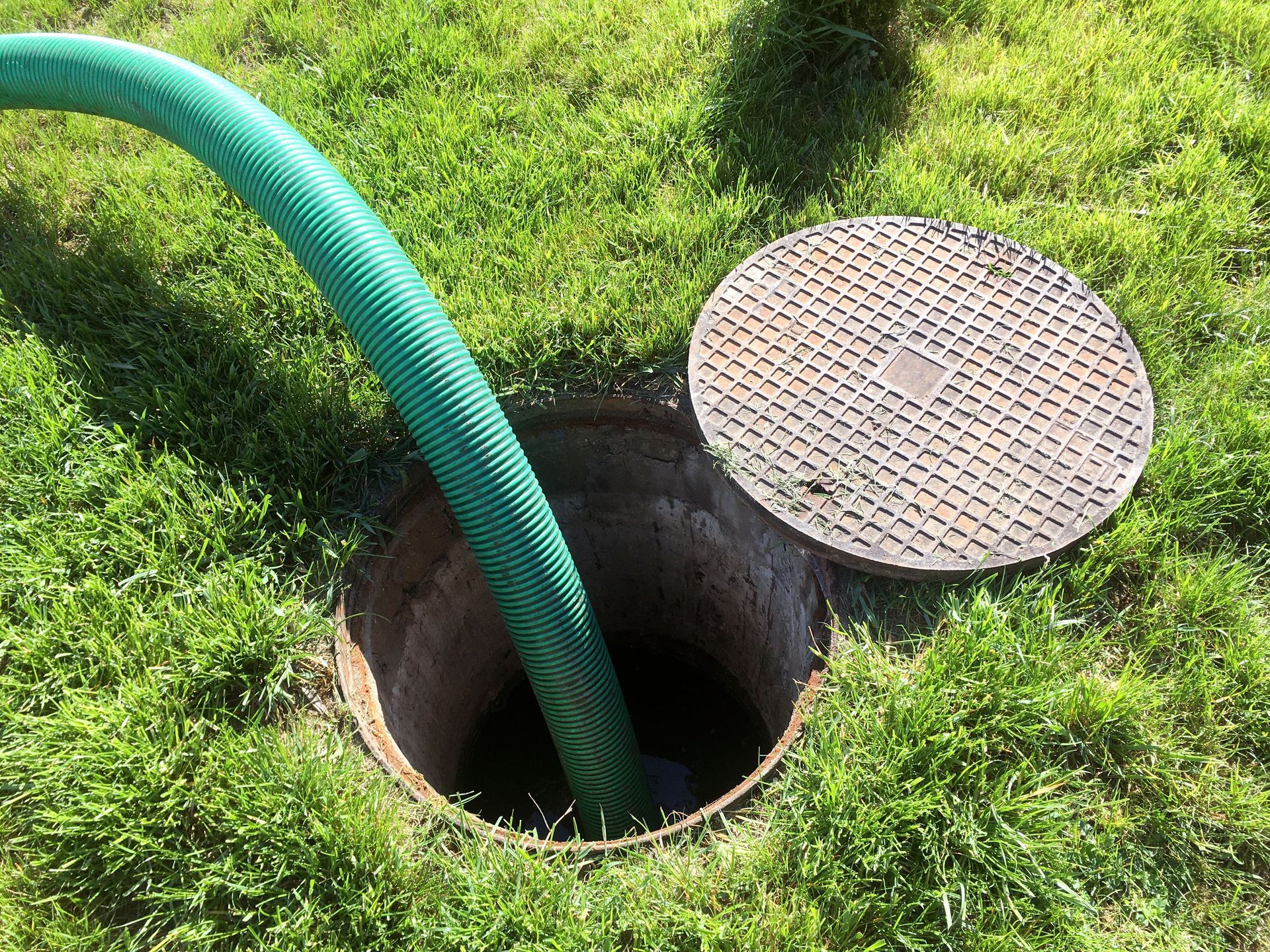
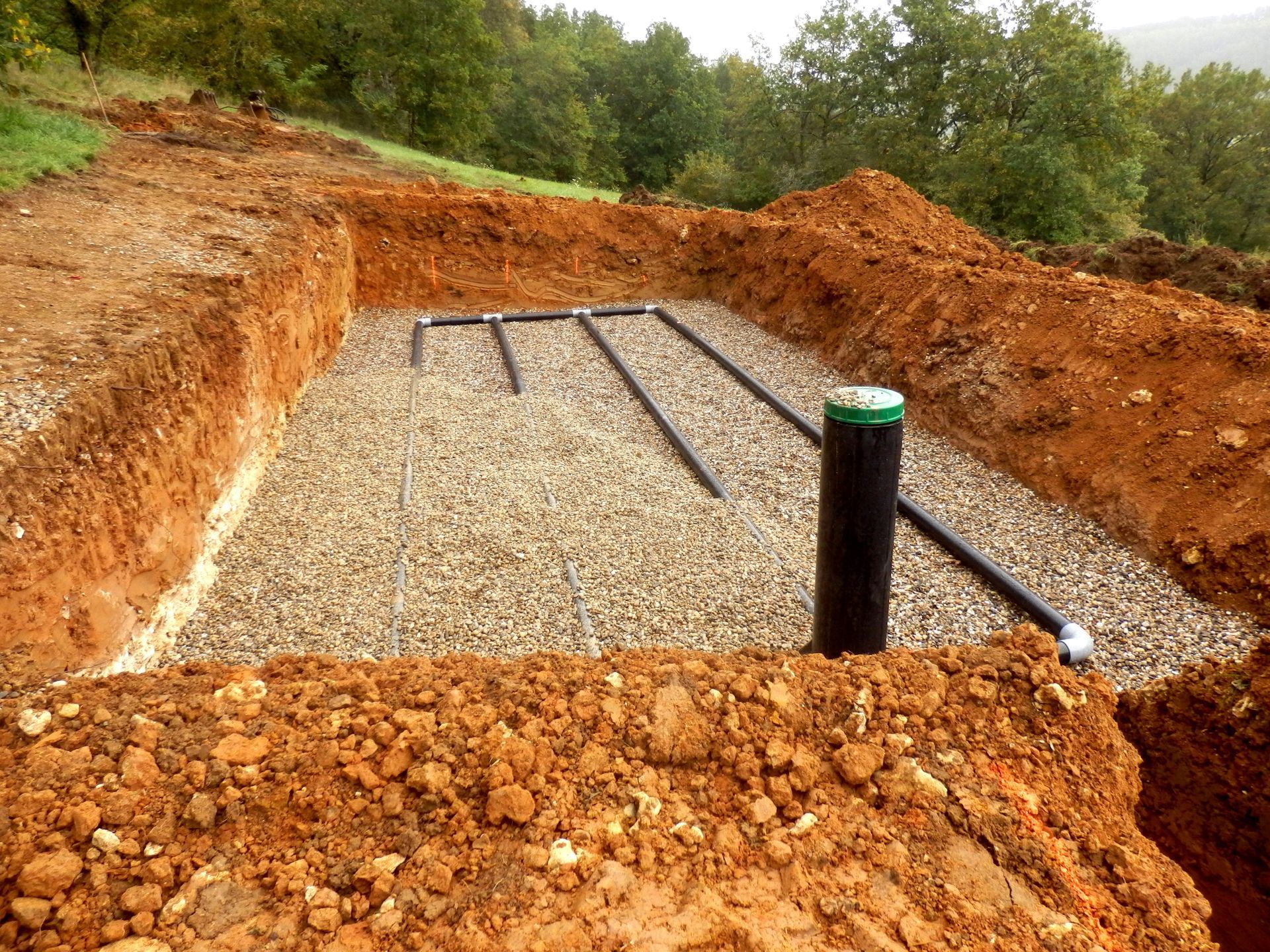
A septic system is an underground wastewater treatment system designed to collect and process household wastewater. The septic tank allows solids and liquids to separate, helping manage waste before treated wastewater continues through the system. Proper maintenance helps support the system’s ability to handle regular household wastewater needs.
Understand Septic Components
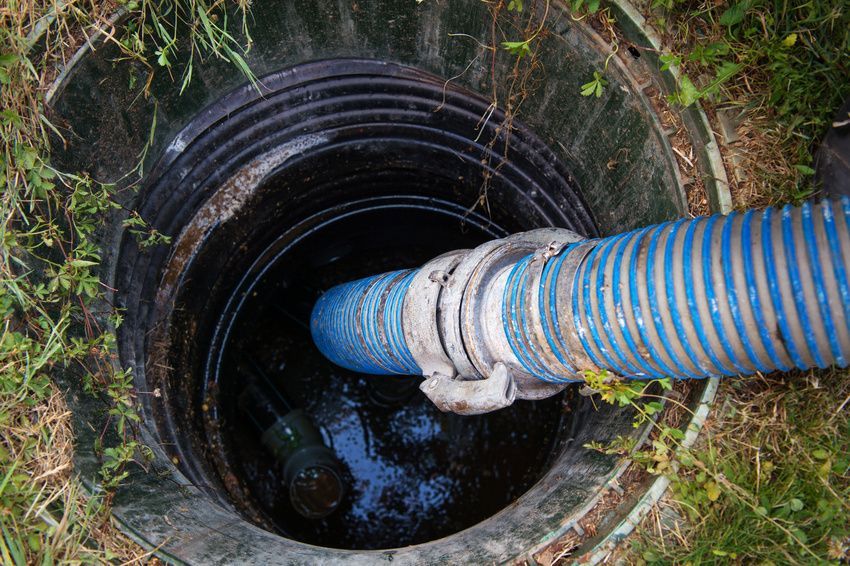
A septic system includes several components that work together to manage wastewater. The septic tank stores wastewater while allowing solids and liquids to separate. According to This Old House, septic tanks typically have more than 1,000 gallons of volume. Pumps, pipes, and other system components also help move wastewater through the system.
Explore Septic System Options
Septic systems can vary based on property needs and system design. Some properties use traditional septic systems, while others may require aerobic septic systems. Because different systems require different maintenance approaches, homeowners should understand the type of septic system installed on their property and schedule appropriate care.
2. Common Septic System Issues
Notice Warning Smells
Foul odors near a septic system may indicate that the system needs attention. Unusual smells can occur when wastewater is not moving through the system properly or when maintenance is needed. Scheduling septic services can help homeowners address concerns and support proper system operation.
Address Slow Drains
Slow drains throughout a home may be a sign that a septic system requires service. Changes in drainage can occur when a system is experiencing difficulty processing wastewater. Septic pumping and maintenance services can help remove buildup and support continued system function.
Watch For Pooling
Water near septic system components may indicate that the system needs attention. Pooling water can be a sign that wastewater is not moving through the system as expected. Homeowners noticing these issues may benefit from scheduling septic system services.
Pay Attention To Unusual Sounds
Gurgling or unusual plumbing sounds can indicate that a septic system needs evaluation. These sounds may occur when wastewater flow is affected. Routine septic maintenance and pumping services can help homeowners address potential concerns before they become larger issues.
Monitor Changes Around The System
Changes in the area surrounding a septic system may indicate that service is needed. Homeowners who notice unusual conditions around their septic system can schedule professional assistance to determine the appropriate next steps. Addressing concerns early can help support continued system performance.
3. Effective Septic System Maintenance
Schedule Regular Pumping
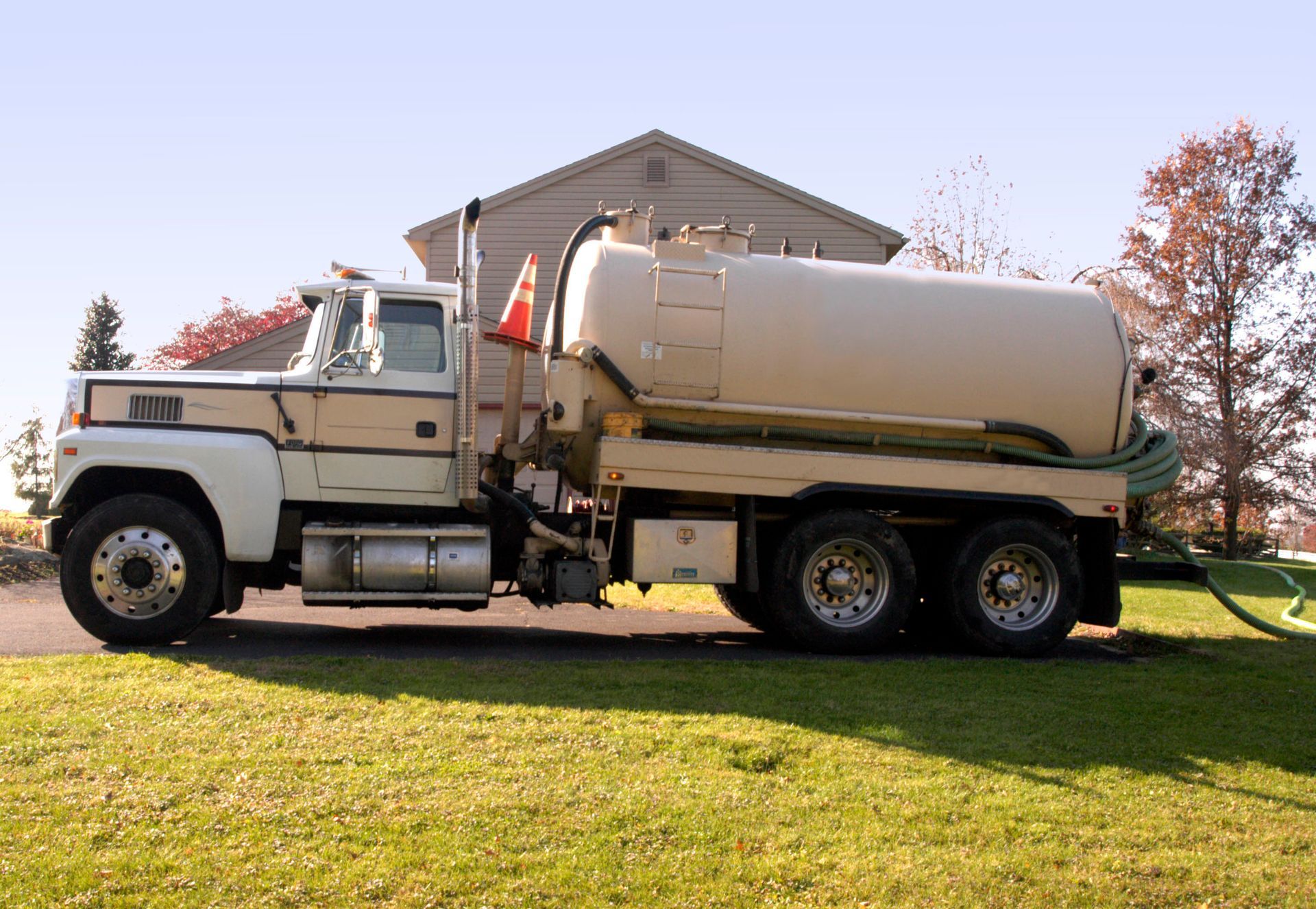
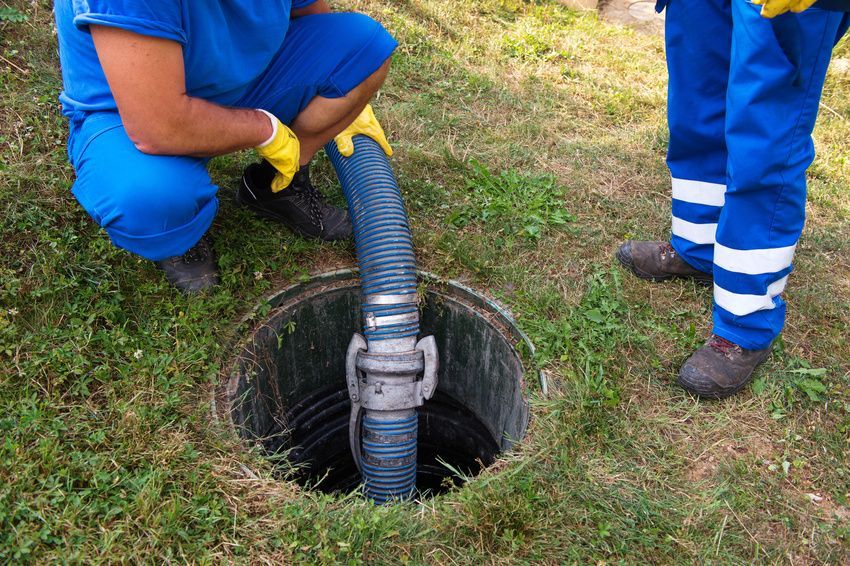
Regular pumping, performed by experienced septic companies, is an important part of maintaining a septic system. Pumping removes accumulated waste from the tank, helping prevent buildup that can interfere with system performance. Routine pumping services can help homeowners stay aware of their septic system's condition.
Support Proper Water Use
The amount of water entering a septic system can affect how efficiently the system operates. Managing household water use can help reduce unnecessary strain on septic components. Simple habits, such as addressing leaks and avoiding excessive water use at one time, may support overall system care.
Practice Proper Waste Disposal
Items placed into household drains can affect septic system operation. Homeowners should avoid disposing of materials that may interfere with wastewater processing. Proper disposal habits can help reduce the chance of septic system problems.
Use Septic Products Appropriately
Some septic companies will remind you that systems may benefit from products designed for septic care. Septic enzymes and septic chemicals are available as part of septic maintenance solutions. Homeowners should follow product instructions and discuss their septic system needs when determining which products may be appropriate.
4. Significant Septic System Effects
Create System Concerns
Neglecting septic maintenance can contribute to system problems over time. Without routine care, buildup and other issues may affect how effectively a septic system operates. Scheduling maintenance services can help homeowners address concerns and support proper wastewater management.
Address Environmental Concerns
A septic system that is not properly maintained may experience issues that affect the surrounding area. Regular septic care, including pumping and maintenance services, helps homeowners support the continued operation of their systems. Keeping up with routine service can help property owners stay aware of potential concerns.
Prevent Major System Problems
Small septic concerns can become more significant when they are left unaddressed. Routine maintenance, timely repairs, and professional septic services can help homeowners identify issues and determine the appropriate solutions for their systems. Addressing concerns early can help support ongoing septic performance.
5. Common Septic System Myths
Understand Pumping Needs
One common misconception is that septic tanks do not require regular maintenance. In reality, septic pumping is an important service that removes accumulated waste from the tank. Routine pumping helps support proper system operation and allows homeowners to address maintenance needs.
Recognize Product Limitations
Septic products can support certain maintenance needs, but they do not replace professional septic services. Pumping, cleaning, repairs, and routine maintenance remain important parts of caring for a septic system. Understanding the role of each service can help homeowners make informed choices.
Maintain Septic Systems
Some homeowners believe septic systems require little attention once installed by septic companies. However, regular maintenance can help support system performance and allow potential issues to be addressed before they become more difficult to manage. Professional septic care can help homeowners maintain their systems over time.
Prioritize Routine Maintenance
Avoiding septic maintenance can lead to problems that require additional service. Scheduling routine pumping, cleaning, and repairs when needed helps homeowners stay proactive about their septic system care. Consistent attention can help support proper system function.
Understand System Differences
Septic systems can vary based on their design and components. Some properties may use aerobic septic systems, while others may have different septic setups. Understanding the type of system installed can help homeowners choose appropriate maintenance services.
6. Helpful Septic Service Considerations
Review Available Services
Homeowners should consider the septic services available when addressing system needs. Professional providers may offer solutions such as septic pumping, cleaning, maintenance, installation, and repairs, depending on the condition of the system. Understanding available options can help property owners determine which services fit their needs.
Ask About Septic Needs
Before scheduling service, homeowners may want to discuss their septic system concerns and learn which services may be appropriate. Understanding the recommended approach can help property owners make informed decisions about maintenance and repairs. Clear communication can help ensure the right services are considered.
Compare Service Options
Different septic concerns may require different solutions. Comparing available services can help homeowners determine which options align with their system's needs, whether they require routine maintenance or more extensive septic repairs. Reviewing service choices can help property owners better understand their options.
Explore Maintenance Solutions
Ongoing septic maintenance can help homeowners keep track of their system's condition. Maintenance contracts may provide scheduled septic care to support continued system operation and help address routine service needs. Regular maintenance can help homeowners stay prepared for future septic requirements.
Septic companies play an important role in managing wastewater for many properties. Learning how these systems operate, identifying signs of potential concerns, and keeping up with routine maintenance can help homeowners make informed decisions about their septic care. To learn more about available septic solutions, including pumping, cleaning, installation, repairs, aerobic septic services, and commercial wastewater support, contact All American Septic for assistance with your system needs.


Share On: