

When to Call Local Septic Companies for Pumping
Understanding when to call for pumping is crucial for maintaining a healthy septic system. Timely pumping can prevent costly repairs and ensure the system operates efficiently. This article outlines key indicators and factors to consider in order to determine when your septic system requires servicing. Regularly maintaining your septic system not only protects your investment but also ensures environmental safety and compliance with local regulations. Learning the fundamentals of septic system care can go a long way in preventing potential problems in the future.
Processing Household Wastewater
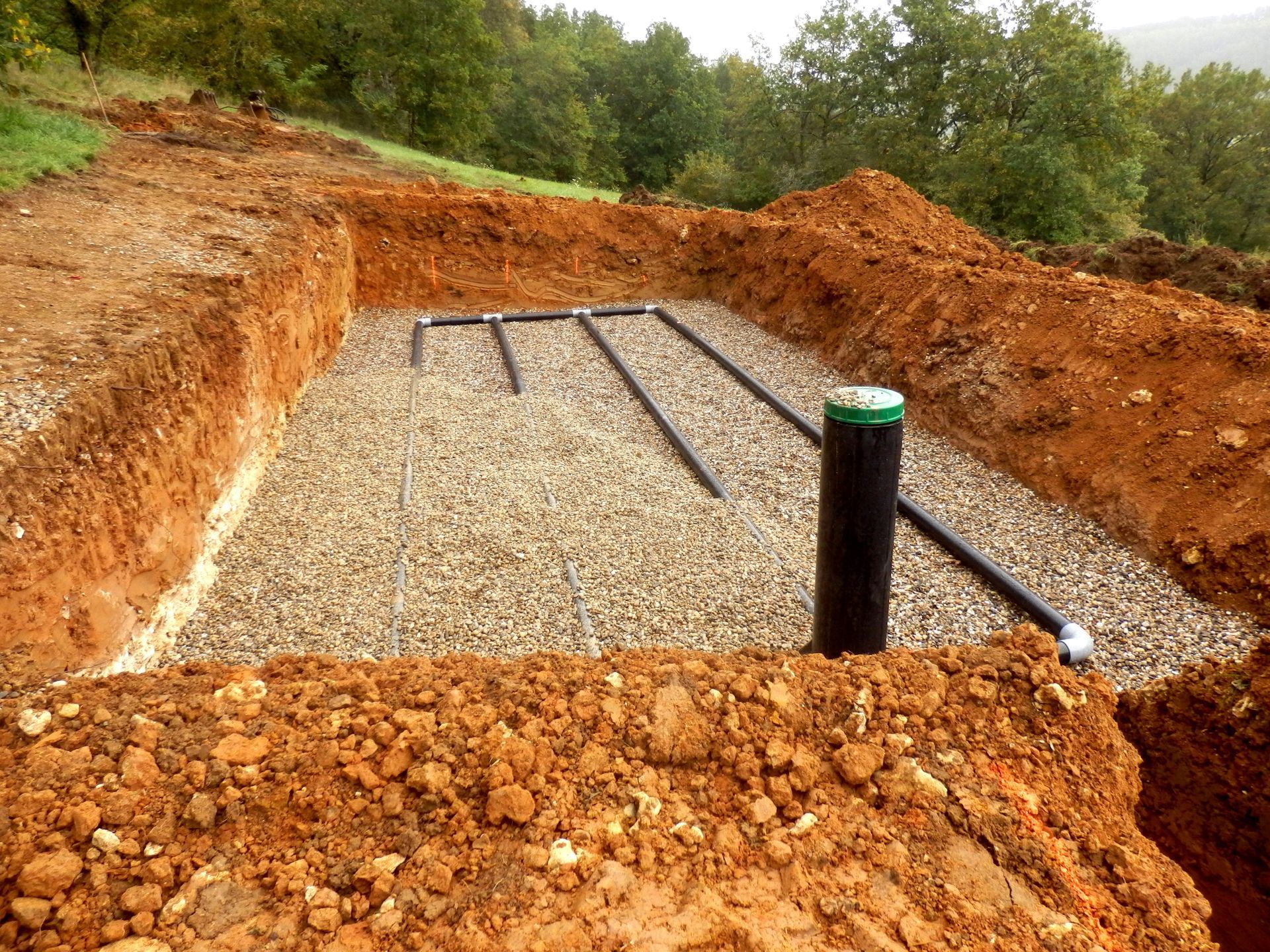
A septic system treats wastewater from household plumbing produced by bathrooms, kitchen drains, and laundry. The system consists of a septic tank and a drain field, where the tank digests organic matter and separates floatable matter and solids from wastewater. Gravity-fed designs rely on waste separation and soil filtration. The pretreated wastewater is then discharged into the drain field.
Identifying System Components
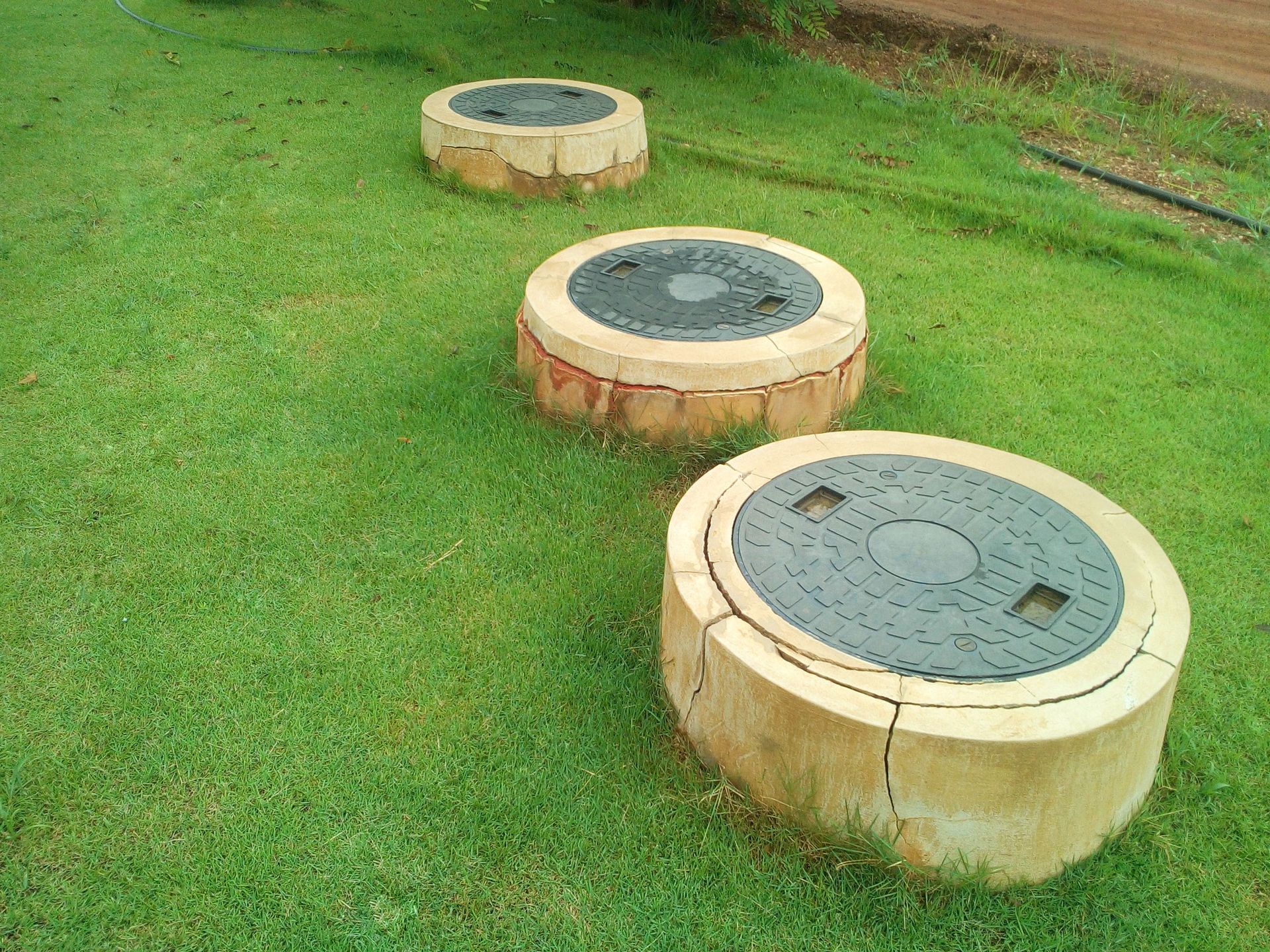
The primary components include the septic tank, drain field, and surrounding soil. The watertight tank receives raw wastewater before it is transported to the drain field. The drain field consists of perforated pipes where effluent filters through the soil. Bacterial action in the soil consumes contaminants. Many homeowners rely on local septic companies to evaluate these components during routine property evaluations.
Realizing Maintenance Importance
Regular maintenance avoids total system failure. Pumping prevents the accumulation of solids that clog lines and lead to backups. According to This Old House, a 1,500-gallon tank might last four to five years between pumpings, but a 750-gallon tank typically requires more frequent pumpings every two to three years, depending on use. Proper maintenance minimizes environmental contamination risks and preserves property values.
Spotting Failure Indicators
System overloads, tank damage, and improper waste disposal cause severe breakdowns. Failure manifests as slow draining fixtures, gurgling plumbing, or unpleasant odors. Pooling water or lush green grass patches above the drain field also signal a problem. When these signs manifest, consult with local septic companies to diagnose the underlying structural issue before catastrophic damage occurs.
Detecting Foul Odors
Foul odors in your yard show that your system is overdue for servicing. These smells result from gases released by decomposing waste materials that reach beyond the tank. If unpleasant smells become noticeable, it is wise to have professional teams look at the tank to provide necessary pumping.
Observing Surface Changes
Excessively green grass or standing water around your drain field is a clear sign of a full or failing tank. This happens when the system is overwhelmed and effluent rises to the surface instead of percolating properly into the ground. Such signs necessitate urgent action to prevent surface contamination.
Preventing Severe Backups
Sewage backup in the home is an alarming sign that a tank needs immediate attention. This occurs when the tank is overfilled and waste cannot travel through drainage pipes effectively. Backup leads to unhygienic conditions and significant water damage requiring extensive remediation.
Testing Well Water
Homeowners with private well water supplies should monitor nitrate levels closely. When a tank is not maintained properly, nitrates from wastewater can seep into groundwater. Regular testing of well water quality ensures early detection of safety hazards.
Measuring Household Size
The size of your household impacts how frequently your system requires pumping. More people living in a home means increased wastewater generation, leading to faster accumulation of solids in the tank. Larger households need more frequent service to ensure optimal performance.
Checking Tank Capacity
The physical size of the tank determines the frequency of required cleanouts. Larger units accommodate more waste, allowing for longer intervals, while smaller models fill up quickly. Remember that according to This Old House, a 1,500-gallon tank may go 4–5 years between pumpings, while a 750-gallon tank may need more frequent pumpings every 2–3 years, depending on use.
Tracking Water Usage
Habitual water use in the household plays a role in system longevity. Homes with high water usage, such as running multiple major appliances simultaneously, can contribute to quicker tank filling. Implementing water conservation techniques slows the accumulation process.
Reviewing System Age
The specific type and age of a septic design influence how often it requires servicing. Older systems or those utilizing unconventional layouts suffer from structural inefficiencies that necessitate frequent monitoring. Understanding the specifics of your setup guides appropriate maintenance frequency.
Verifying Contractor Credentials
Choosing a dependable contractor begins with verifying their state licenses and active insurance coverage. Licensed professionals possess the technical training necessary for safe service. Insurance protects the homeowner from liability during the pumping process. Experienced teams from local septic companies always provide these documents upfront to establish trust.
Evaluating Customer Reviews
Customer reviews provide valuable insights into a contractor's service quality. Previous client experiences reflect attention to detail, punctuality, and overall effectiveness. Online platforms are excellent resources for obtaining unbiased feedback regarding local septic companies before scheduling a visit.
Judging Staff Professionalism
Customer service and professionalism are integral aspects of regular property maintenance. A provider's approach to communication, punctuality, and client interaction reflects its corporate dedication to service quality.
Managing Waste Disposal
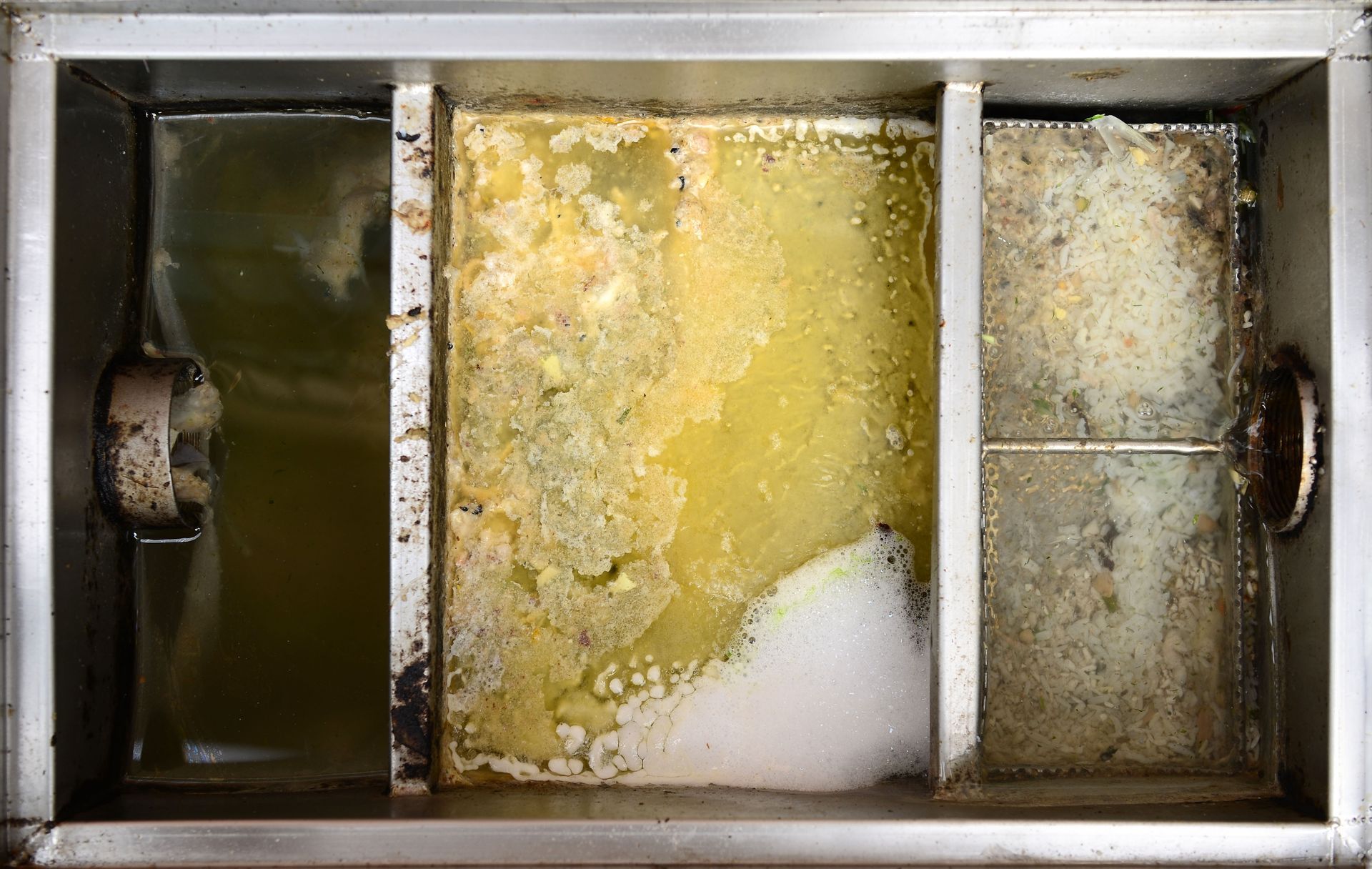
Adopting proper waste disposal practices is fundamental for maintaining a healthy system. Avoid flushing non-biodegradable items, chemicals, or large quantities of organic waste. Items like wipes, paper towels, and grease obstruct lines and cause failure.
Arranging Yard Landscapes
Maintaining suitable landscape practices protects underlying infrastructure from root intrusion. Avoid planting trees or shrubs with aggressive root systems near the tank or drain field. Directing rainwater runoff away from the septic area minimizes excess water saturation.
Choosing Safe Products
Utilizing products compatible with household biology reduces the risk of chemical damage. Septic-friendly cleaning products and biodegradable detergents minimize the presence of harmful substances that disrupt natural bacterial breakdown processes.
Facing Financial Repairs
Failure to regularly pump a system leads to significant financial implications. Accumulated solids cause total system blockages, requiring extensive repair work or costly component replacements that far outweigh routine maintenance fees.
Causing Ecosystem Pollution
Neglected infrastructure poses substantial risks of environmental pollution impacting local water bodies. Wastewater containing harmful pathogens can seep into the surrounding soil, rendering nearby water sources unsafe for human consumption.
Triggering Health Hazards
Health hazards arising from malfunctioning infrastructure are concerning for human safety. Exposure to untreated sewage increases the risk of infections from harmful bacteria. Regular interventions by local septic companies mitigate these biological risks and protect public health standards.
Incurring Legal Penalties
Neglecting system maintenance can result in regulatory consequences for property owners. Local environmental regulations mandate consistent adherence to pumping schedules to prevent public degradation, and non-compliance leads to heavy fines.
Losing Property Value
The operational status of your infrastructure impacts a property’s market value and appeal to potential buyers. Homes with failing systems suffer from reduced valuation due to anticipated repair hassles. Regular care ensures optimal function and protects market perception.
Regular septic pumping is an essential aspect of home maintenance that helps prevent system failures and protects both the environment and the homeowner’s wallet. By understanding the signs of a full tank and choosing a trustworthy team, homeowners can maintain the long-term efficiency of their systems. Incorporating preventative practices will further enhance the longevity and effectiveness of the system. Engaging in routine care protects your investment, reinforces responsibility toward community health, and ensures environmental preservation. The insights gained from these principles empower homeowners to confidently manage their infrastructure, and for premier, dependable service throughout the region, make sure to request your next system inspection from All American Septic.

Share On: