

6 Grease Trap Myths, Debunked
In modern plumbing systems, grease traps are critical components tasked with intercepting fats, oils, and grease (FOG) before they enter the main sewage lines. Despite their importance, a significant amount of misinformation surrounds grease trap usage and maintenance. Much of this misinformation stems from misunderstandings about how these systems work, leading to poor maintenance practices and the premature failure of plumbing infrastructures. As restaurants and other commercial kitchens rely heavily on these devices to prevent clogs and manage waste, understanding how they work is key to ensuring their efficacy. This article will debunk some of the most common myths about grease traps, shedding light on effective practices and the real mechanics behind these essential devices.
Myth #1: Commercial Interceptors Do Not Require Regular Maintenance
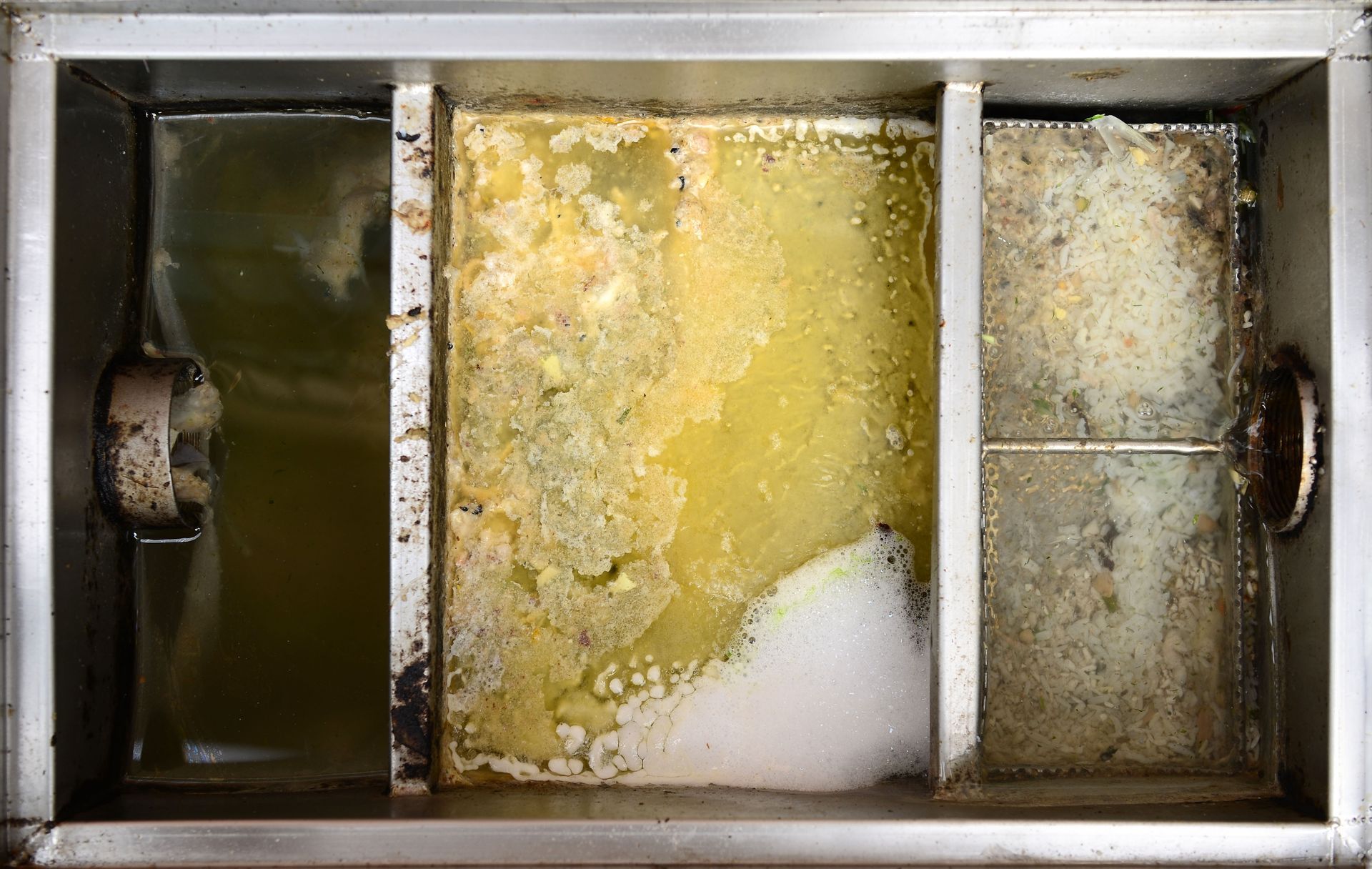
Grease traps function by cooling warm or hot, greasy water. As the water cools, the grease and oil separate and float to the top of the trap, allowing the cleaner water to flow out into the sewer system. Not all emulsified oils can be separated, but the trap helps in reducing solid build-up in sewer lines. Your interceptor doesn't need to be large to be effective, but it does need to be properly maintained.
Regular cleaning is necessary to prevent blockages and maintain the effective functioning of the trap. Over time, interceptors can fill up with captured FOG and solids, reducing their efficiency and potentially causing overflows or backups. According to The Restaurant Warehouse, planning your next grease trap pumping when the trap is around 25% full of FOG and solids is the perfect timing. Ignoring regular maintenance can lead to costly plumbing issues, which could have been easily avoided.
Common signs that a system requires service include slow drainage and foul odors emanating from the plumbing or nearby drains. Another indication could be frequent clogs in your kitchen plumbing system, which might signify an overfilled or neglected device. The consequences of neglecting maintenance can be serious, including sewer blockages, health violations, and damage to municipal sewer systems.
Myth #2: All Interceptor Models and System Designs Perform the Same
There is a common misconception that all interceptors operate exactly the same, but this is far from the truth. Systems vary significantly based on their design, size, and construction material. Traditional passive traps work by slowing down the flow of greasy water, allowing FOG to separate, while automatic grease removal units (AGRUs) actively separate and remove grease continuously. When figuring out what setup fits your kitchen, consulting a professional grease trap company ensures you choose the right style for your facility.
The size of an interceptor is a critical consideration, influencing overall effectiveness and maintenance frequency. Smaller tanks require more frequent pumping to prevent overfilling, whereas larger units handle greater volumes with less frequent intervention. Finding the right dimensions depends on kitchen capacity, the volume of food output, and the expected grease load.
Interceptors can be manufactured from a variety of materials, including stainless steel, plastic, and concrete. Each material offers distinct operational benefits and drawbacks. The performance of these units can also vary significantly based on the model, internal baffles, and manufacturer engineering. A certified grease trap company can evaluate your specific commercial demands to informedly protect your long-term plumbing health.
Myth #3: Hot Water Flushes Can Effectively Clear Out Built-Up Grease
It is a common belief that flushing hot water through commercial plumbing can clear out built-up grease. While hot water does effectively liquefy fats temporarily, this is not a permanent solution. Once the water cools down, the fats, oils, and grease will solidify once again further down the pipeline, potentially creating more significant blockages. Relying on this trick will quickly force you to call a local grease trap company to snake the main lines.
While using hot water can offer a temporary short-term fix, its impacts often exacerbate problems in the longer term. Instead of solving the problem, it simply migrates the blockage further down the plumbing line. Over time, repeated use of this method can cause pipes to cool and solid fats to form dense obstructions, which are harder to address.
To properly maintain flow in your system, a multifaceted approach is recommended. Regular professional pumping ensures that both the interceptor and plumbing remain in optimal condition. Biological additives and other solutions can bolster maintenance when used correctly, but they should never replace mechanical pump-outs.
Myth #4: Installing a Trap Completely Eliminates All FOG Problems
Grease traps play a crucial role in waste management by intercepting and storing FOG before it reaches sewage lines. However, it's crucial to understand that these devices only form part of a comprehensive strategy. They work by capturing FOG as wastewater slows through the tank, allowing for natural separation based on density. However, this does not mean that they entirely solve grease issues on their own.
While interceptors are effective at reducing the immediate risk of FOG entering the sewage system, they do have technical limitations. Not all fats and greases can be captured, especially when dissolved in boiling water, allowing some grease particles to pass through. When efficiency drops, consulting an experienced grease trap company can help you pinpoint if your system is overloaded.
To properly manage FOG waste, interceptors need to be part of a broader system incorporating complementary kitchen solutions. Regular staff training on disposal practices helps reduce the amount of FOG entering the lines initially. Kitchen protocols like wiping grease from equipment and avoiding liquid fat disposal help limit the overall load on your plumbing system.
Myth #5: Using Biological Additives Makes Mechanical Cleaning Unnecessary
Biological additives are substances used to promote the breakdown of FOG via biological agents like bacteria and enzymes. These microorganisms digest the organic matter, converting it into simpler compounds that are less likely to form stubborn blockages. While these products can significantly aid in reducing solid build-up, they require specific conditions to be effective.
There is a prevalent myth suggesting that using biological additives alone can negate the need for cleaning out your tank. While additives reduce some accumulated grease, they are not a substitute for removing debris and solids mechanically. In reality, additives work best when used as part of a comprehensive maintenance approach managed by a professional grease trap company.
When incorporated effectively, biological additives play a helpful role in routine maintenance. They should be regarded as enhancements to regular pumping protocols, helping to sustain cleaner conditions in the periods between scheduled service visits. By breaking down fats more effectively, these additives can reduce mechanical stress on the trap.
Myth #6: DIY Kitchen Cleanings Are Just as Effective as Professional Service
While there are benefits to attempting DIY maintenance, such as immediate cost savings, these tasks come with significant operational limitations. DIY maintenance can handle minor cleaning tasks but lacks the thoroughness and technical accuracy that certified providers offer. If an amateur misses a critical structural issue, a specialized grease trap company will be required to handle the resulting system backup.
Professional cleaning involves a careful and comprehensive approach to maintenance, ensuring thorough FOG removal and system inspection. Experts have specialized tools and training to handle complex cleaning tasks that standard tools cannot easily achieve. They can assess the trap's integrity, check for potential component wear, and ensure compliance with municipal health regulations.
While DIY maintenance might seem cost-effective initially, it can lead to more considerable expenses in the long term due to potential system failures or regulatory fines. The costs associated with fixing severe pipeline clogs or replacing malfunctioning parts far exceed those of scheduled professional maintenance.
Understanding the true mechanics of FOG management is vital for any commercial kitchen looking to avoid costly structural emergencies and compliance penalties. Overreliance on hot water flushes, biological enzymes, or uncertified DIY cleaning routines will ultimately jeopardize your wastewater system. By prioritizing scheduled inspections, adhering to proper kitchen disposal protocols, and choosing professional help, business owners can safeguard their plumbing infrastructure. For reliable, expert maintenance that keeps your commercial kitchen operating seamlessly, look no further than All American Septic.

Share On: