

Septic Systems: Maintenance vs. Repair vs. Replacement
Understanding how to care for a septic system requires a clear distinction between maintenance, repair, and replacement. Each plays a different role in preserving performance, controlling costs, and protecting the surrounding environment. Homeowners who recognize these differences are better equipped to respond to issues before they escalate.
Septic systems are widely used across the country, and their longevity depends on consistent care. According to the U.S. Environmental Protection Agency (EPA), more than 60 million people in the United States rely on septic systems, representing about 25% of households, and these systems can last between 20 and 40 years when properly maintained. This reality highlights why working with a qualified septic company and staying proactive is essential.
Understand Septic System Basics
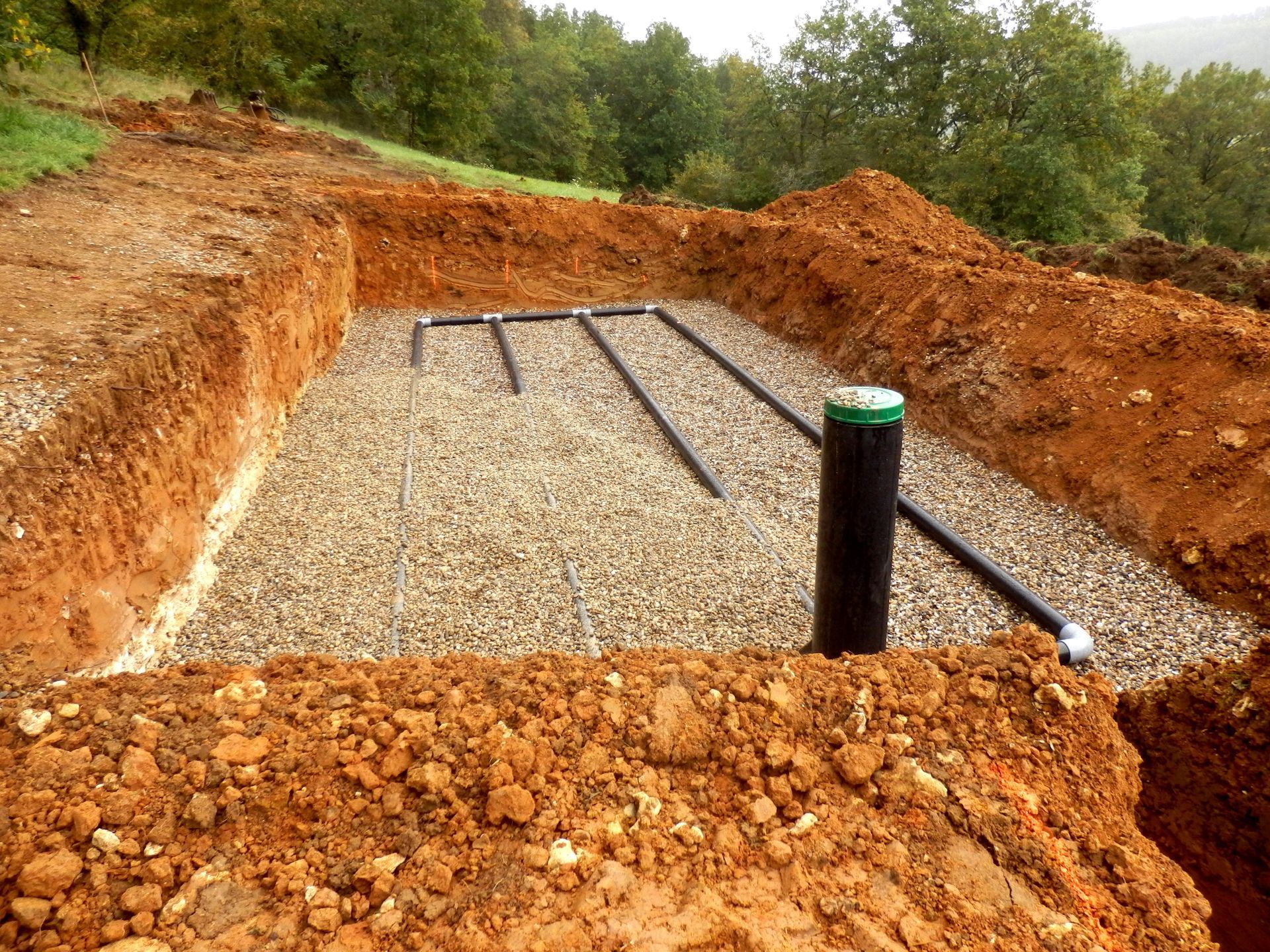
Septic systems treat and disperse household wastewater through a combination of mechanical separation and natural biological processes. Wastewater flows into a tank where solids settle and oils rise, leaving partially treated liquid to move into the drain field. Soil and microorganisms then complete the treatment, filtering contaminants before the water reenters the environment. A knowledgeable septic company can help ensure each stage functions as intended.
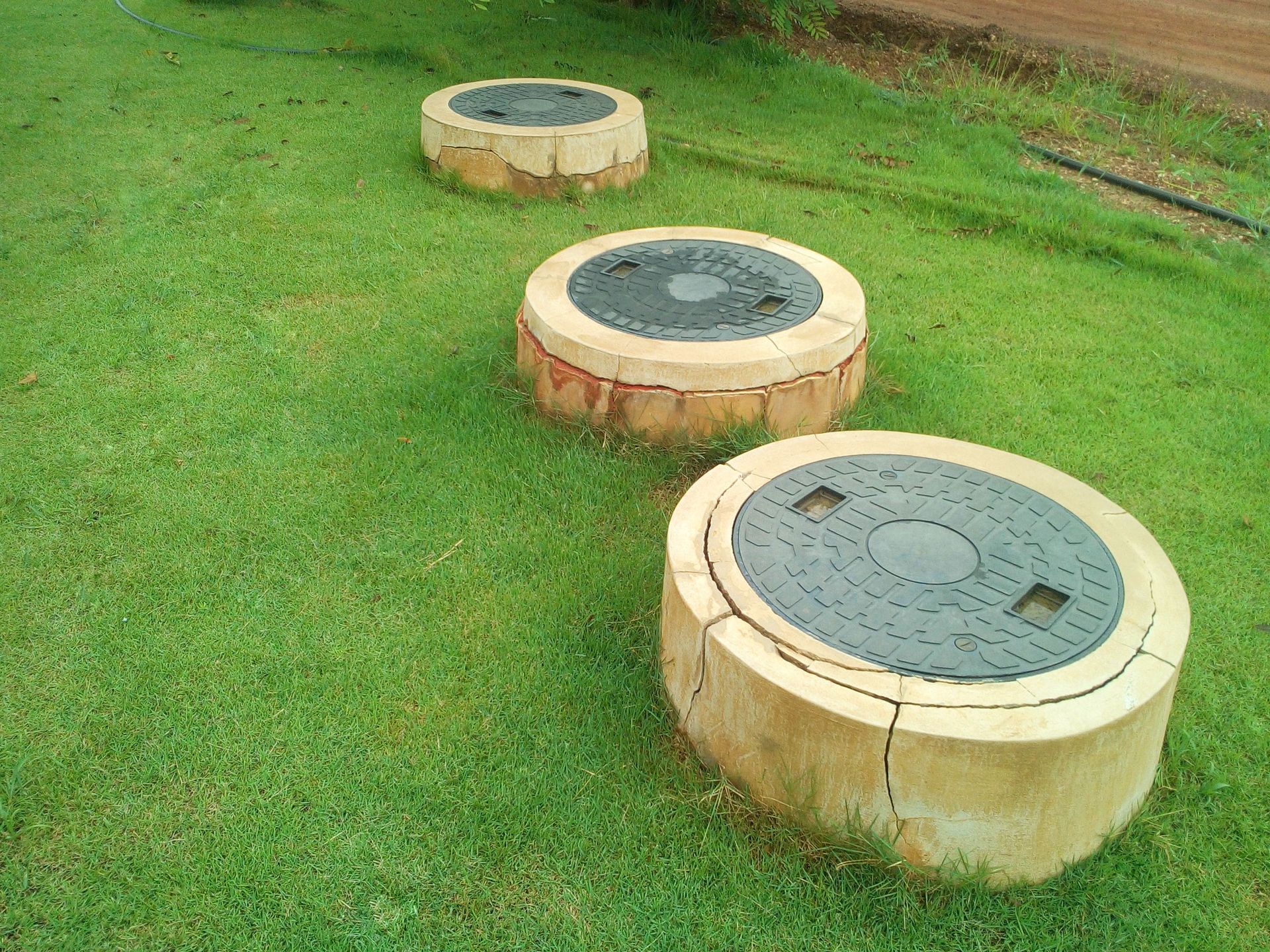
The system relies on balance between its components, including the tank, drain field, and surrounding soil. When one part becomes overwhelmed or damaged, the entire system can struggle to perform. Soil conditions, water usage, and waste input all influence how well the system operates over time. Understanding these basics allows homeowners to make informed decisions and avoid unnecessary strain.
Early warning signs of trouble include slow drains, unpleasant odors, and pooling water near the drain field. These symptoms often signal underlying issues that require attention. Addressing them quickly with the help of a septic company can prevent more severe damage and maintain safe wastewater treatment.
Perform Routine Maintenance
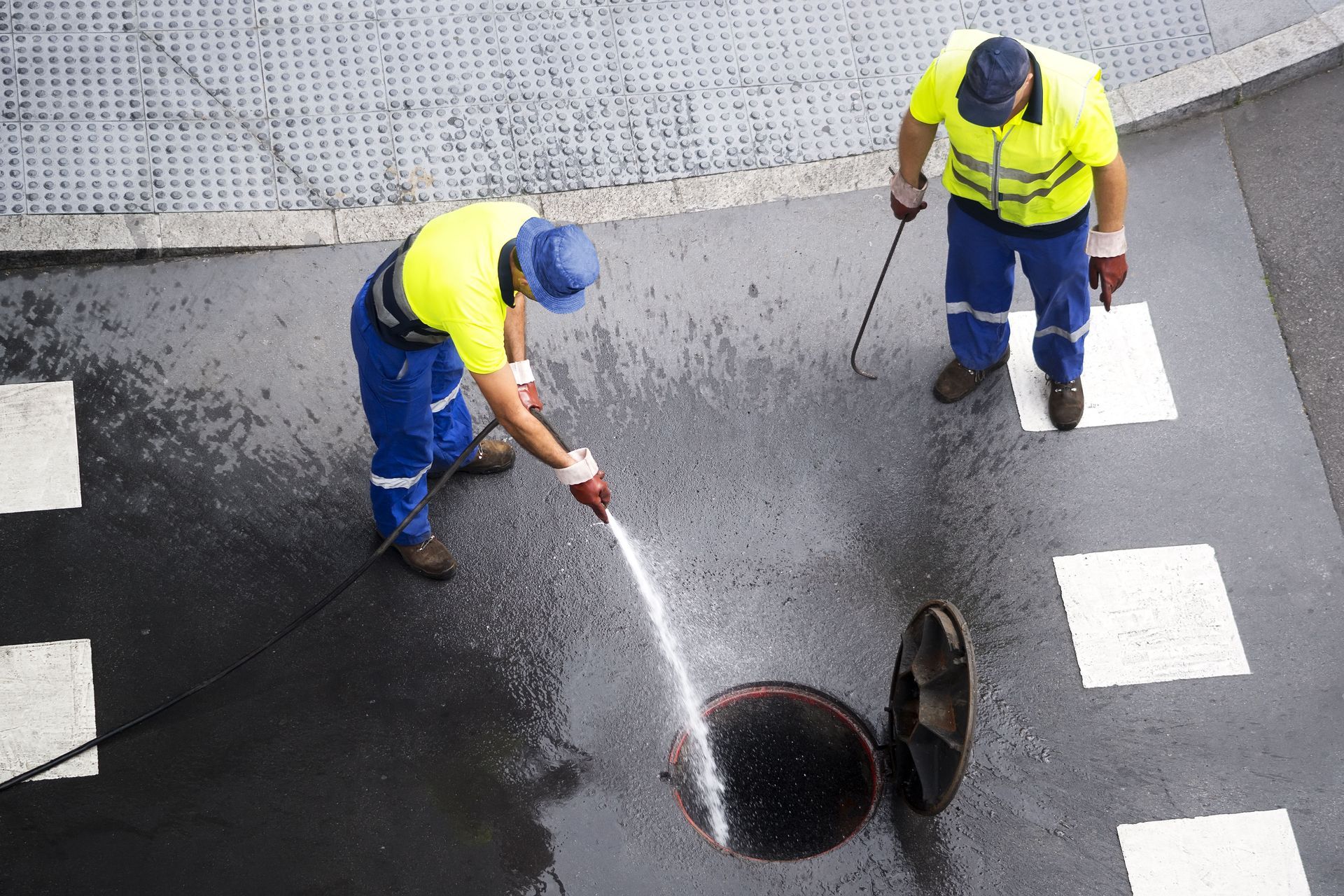
Routine maintenance is the most effective way to extend the life of a septic system and prevent costly issues. Regular inspections and scheduled pumping remove accumulated solids before they interfere with system performance or overflow into the drain field. Without this routine care, sludge and scum levels can rise to the point where they disrupt the natural treatment process. A dependable septic company can recommend a service schedule tailored to household size, water usage, and the specific type of system in place. Following a consistent plan keeps the system balanced and operating as intended over time.
Smart daily habits contribute significantly to system health and long-term reliability. Limiting excessive water use helps prevent overloading the tank and drain field, while avoiding items like wipes, grease, and harsh chemicals protects the system’s internal balance. Spacing out laundry loads and high-water activities reduces sudden surges that can disturb the separation process inside the tank. Protecting the drain field from heavy vehicles and redirecting runoff away from the area preserves its ability to absorb and filter wastewater effectively. A septic company can provide practical guidance on these habits to help homeowners maintain proper system function.
Neglecting maintenance often leads to avoidable complications that become more expensive and disruptive over time. As solids build up and components wear down, the risk of clogs, backups, and drainage failure increases significantly. These issues can result in unpleasant odors, slow plumbing, and even wastewater surfacing on the property. Consistent care helps prevent these outcomes while preserving both system performance and environmental safety. Relying on a septic company for ongoing service reduces the likelihood of emergency repairs and supports a more predictable, cost-effective approach to system management.
Identify When Repairs Are Needed
Even well-maintained systems may require repairs as components age or conditions change. Common issues include cracked tanks, blocked pipes, and failing drain fields. These problems can disrupt normal operation and should be addressed promptly to prevent further deterioration.
Homeowners may notice signs such as gurgling pipes, slow drainage, or persistent wet areas in the yard. These indicators suggest that the system is no longer functioning efficiently. A professional septic company can diagnose the issue accurately and recommend the appropriate repair solution, whether it involves clearing a blockage or replacing a damaged component.
While minor issues might seem manageable, attempting complex repairs without proper expertise can worsen the situation. Professional assessments ensure that repairs meet safety and regulatory standards. Working with a septic company helps restore system functionality while minimizing risks to property and the environment.
Evaluate Replacement Options
Replacement becomes necessary when a septic system reaches the end of its usable life or when repairs are no longer effective. Aging systems often experience structural wear, reduced efficiency, and an inability to handle modern household water usage. In some cases, outdated designs no longer meet local codes or environmental standards, which can create compliance issues for homeowners. When these challenges arise, replacement offers a dependable path forward by restoring proper function and reducing the risk of recurring failures. Working with a septic company during this stage helps ensure the transition is handled safely and in accordance with all requirements.
Modern septic systems include a range of designs suited to different soil conditions and property layouts. Options such as aerobic treatment units, mound systems, or pressure distribution setups provide solutions for properties with limited drainage or high water tables. These advanced systems are engineered to improve wastewater treatment and adapt to environmental constraints that older systems may not have been designed to manage. A septic company can conduct soil testing, evaluate site limitations, and design a system that aligns with both the property and regulatory expectations. This level of customization ensures the new installation performs efficiently under real-world conditions.
Although replacement requires a larger upfront investment, it can significantly reduce ongoing repair costs and improve long-term performance. New systems are built with more durable materials and updated technology, which helps minimize breakdowns and maintenance issues over time. Homeowners benefit from improved reliability, better environmental protection, and increased property value when a system is properly replaced. A septic company can guide budgeting, permitting, and installation to streamline the entire process. Careful planning and professional installation ensure the new system meets both current needs and future demands while delivering lasting peace of mind.
Balance Costs and Long-Term Value
Choosing between maintenance, repair, and replacement often comes down to balancing immediate costs with long-term value. Maintenance represents the most affordable and predictable expense, helping prevent major issues before they arise. Regular service from a septic company keeps systems operating efficiently and extends their lifespan.
Repairs fall in the middle, addressing specific problems without requiring a full system overhaul. When handled promptly, repairs can restore functionality and delay the need for replacement. Ignoring repair needs, however, can lead to more extensive damage and higher costs over time.
Replacement carries the highest initial cost but offers lasting benefits when a system is beyond repair. Newer systems improve efficiency, reduce environmental risks, and meet updated standards. Evaluating the condition of the current system with a septic company helps homeowners determine the most practical and cost-effective path forward.
Septic system care involves knowing when to maintain, repair, or replace key components based on performance and age. Each approach serves a distinct purpose, and making the right choice depends on careful observation and professional guidance. Consistent attention prevents minor issues from becoming major disruptions and supports reliable wastewater management.
By partnering with an experienced septic company, homeowners can protect their investment and maintain a safe living environment. If you are ready to take the next step in caring for your system, contact All American Septic today. We will help you keep everything running smoothly for years to come.
Share On: