

How a Septic Company Prepares Your Yard for Installation
Installing a brand-new waste management system represents a significant home improvement project for any property lacking municipal sewer connections. Proper yard preparation ensures that this vital asset functions reliably and lasts for decades. Homeowners should expect a highly structured, professional approach when an experienced septic company arrives to evaluate and prepare the property for this essential utility upgrade.
This preparation process requires blending technical construction expertise with deep environmental awareness and strict local zoning compliance. Preparing your landscape properly prevents future system failures while protecting the surrounding ecosystem from potential contamination. Understanding the upcoming steps helps you collaborate effectively with your hired team throughout the entire property transformation from start to finish.
Assess the Proposed Site
Before any physical digging commences on your property, your chosen septic company must research local municipal regulations to guarantee full legal compliance. This initial step involves navigating complex zoning laws, acquiring proper building permits, and carefully adhering to local health department guidelines. Checking these regional rules early prevents costly legal complications and structural alterations later during the build.
Next, technicians conduct thorough soil testing to evaluate how well your ground absorbs and processes wastewater safely without causing environmental hazards. Professionals utilize specialized percolation tests to measure absorption rates, which heavily dictate the final physical design parameters of your system. Optimal soil quality remains absolutely essential for the long-term efficiency and health of the underground setup.
Finally, the team analyzes the property's natural slope and surface drainage patterns to optimize component placement across your yard. Evaluating topography helps prevent heavy rainwater from pooling around the buried tank or saturating the sensitive drainage field. Proper grading adjustments redirect surface water flow away from the new equipment, preserving the landscape's natural beauty and system integrity.
Map the Installation Area
Creating a comprehensive site plan provides a vital visual roadmap for the entire installation crew before heavy machinery arrives. This detailed layout maps out precise locations for major infrastructure while considering potential future property modifications or landscaping expansions. A well-constructed map optimizes overall workflow efficiency and significantly minimizes unnecessary physical disruptions to your beautiful existing lawn.
Pinpointing the exact location for the main holding tank requires balancing day-to-day convenience with environmental safety across your property. The expert technicians from your septic company identify a spot that permits easy access for future maintenance vehicles while avoiding proximity to your living areas. Strategic tank placement minimizes odor risks and utilizes natural gravity to assist fluid flow.
Designating the specific drain field zone involves analyzing underground absorption capacity to ensure sustainable, long-term effluent treatment. The team carefully marks boundaries that completely avoid sensitive environmental features, reducing any long-term ground pollution risks. Clear surface markings ensure that heavy machinery operators respect these delicate treatment zones throughout the entire physical setup process.
Prepare the Excavation Ground
Clearing surface vegetation, thick brush, and buried debris creates an unobstructed workspace for the arriving installation crew. A professional septic company removes these materials carefully to protect the surrounding environment and preserve reusable topsoil for future landscaping. This essential cleanup step keeps the site organized and prevents organic matter from interfering with heavy machinery operations.
Removing large subsurface rocks and heavy stones stabilizes the ground before any major digging begins on your property. Hidden boulders can easily compromise the critical leveling of heavy tanks, which require perfectly flat foundations for peak performance. Eliminating these structural obstacles beforehand ensures smoother project progress and prevents unexpected mechanical delays during deep trenching activities.
Establishing strict erosion control measures protects loose soil from washing away during sudden rainstorms throughout the construction period. Installers often utilize heavy silt fencing, organic mulch, or temporary blankets to keep the ground completely stable. This proactive practice effectively protects nearby waterways from sediment runoff while fully respecting regional environmental preservation laws.
Excavate the Defined Spaces
Utilizing appropriate heavy machinery remains absolutely crucial for completing the extensive digging phase safely and efficiently on your lot. Skilled operators choose specific tools like backhoes or compact track loaders based on unique terrain challenges and soil conditions. Using the right equipment accelerates project timelines and protects the structural integrity of your broader yard.
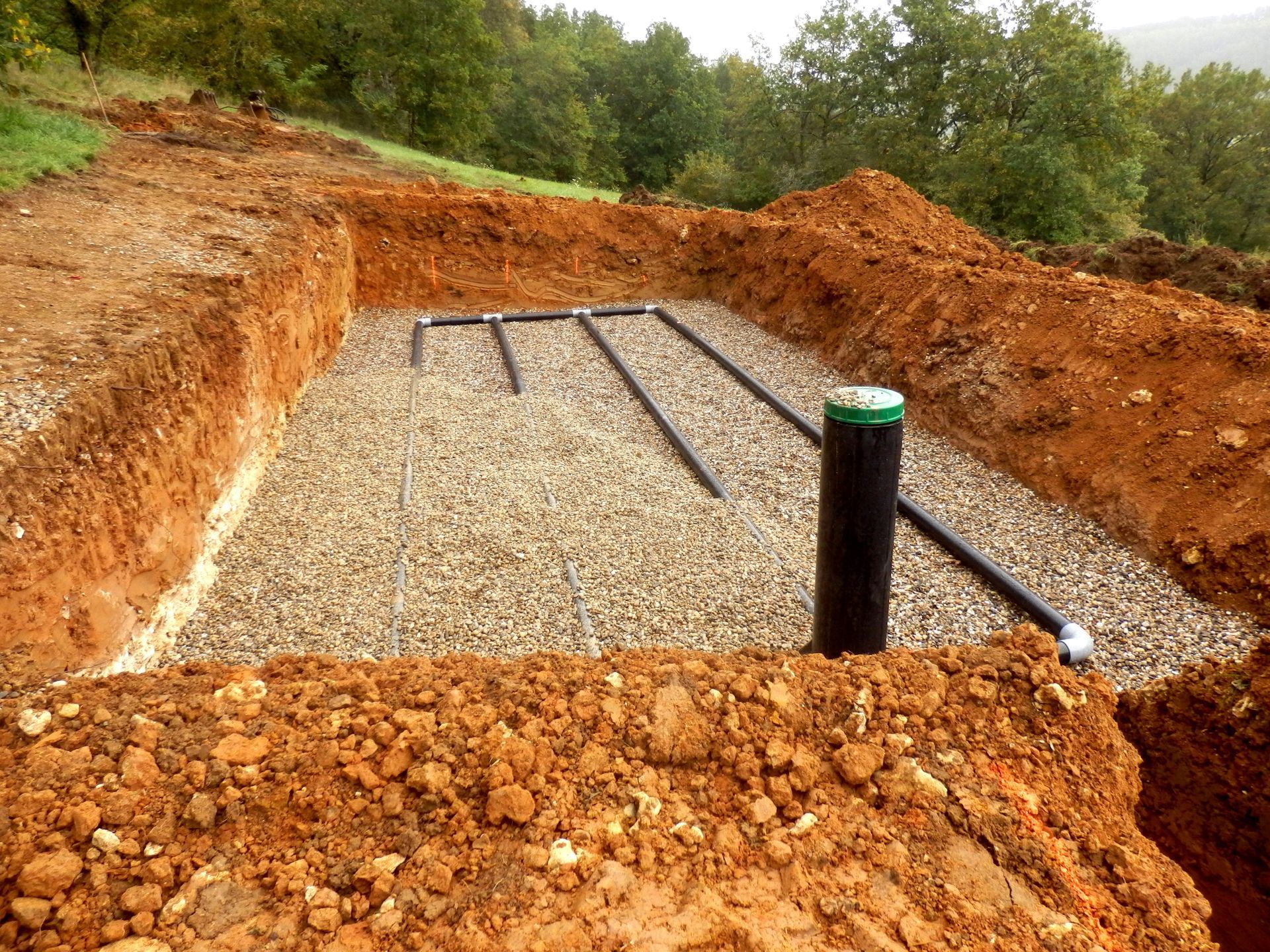
Delineating the precise boundaries for the tank and trenches guides operators during complex earthmoving tasks in the yard. Accurate digging pathways protect existing underground utilities and ensure each component aligns perfectly with original engineering blueprints. This careful measurement process significantly reduces spatial errors and optimizes the overall long-term performance of your wastewater network.
Managing unexpected groundwater levels or highly compact soils requires specialized technical expertise directly from your chosen septic company. High water tables often require advanced dewatering techniques or soil stabilization to secure the open trenches safely. Addressing these underground complications immediately safeguards the system from structural shifting and ensures total compliance with safety protocols.
Install the Main Components
Lowering the heavy treatment tank into place demands exact leveling to avoid future structural strain on the pipes. The team secures the vessel firmly on its prepared base to prevent dangerous shifting or joint leaks. Accurate positioning ensures that incoming household waste moves smoothly through the internal chambers without creating any troublesome blockages.
Connecting the main inlet and outlet pipes requires precision craftsmanship to establish a secure, leak-free flow network across the property. Technicians from the septic company maintain specific pipe slopes to leverage natural gravity for moving fluids efficiently. Sealing these critical connections perfectly prevents hazardous backflow issues and protects your property from severe underground contamination.
Laying down the perforated drain field lines distributes treated effluent evenly across the dedicated underground absorption zone. Proper pipe spacing optimizes the natural biological filtration processes occurring within the surrounding soil matrix. Verifying the entire system's structural integrity through rigorous water pressure testing confirms that all installed components meet strict operational standards before burial.
Restore the Impacted Landscape
Reseeding the disturbed areas with native grasses initiates the essential visual recovery of your backyard landscape after major construction. This vital replanting process stabilizes loose topsoil, prevents severe erosion, and helps blend the new utility infrastructure with your existing lawn. Choosing appropriate vegetation ensures the root systems will never interfere with the buried components below.
Installing protective barriers around freshly seeded zones prevents foot traffic from disrupting early plant growth across the yard. These temporary boundary markers keep people and pets away from sensitive mud zones during the critical restoration phase. Giving the vegetation adequate time to mature guarantees a beautiful finish and protects the newly graded surface contours perfectly.
Conducting the final official inspection secures formal approval from municipal health and building authorities in your area. This mandatory review verifies that every structural element complies fully with regional sanitation codes and environmental laws. Getting this official sign-off provides complete legal reassurance and signals that your new utility is officially ready for regular service.
Educating homeowners on proper long-term maintenance remains a fundamental part of completing a successful utility project. According to data shared by This Old House, a standard 1,000-gallon waste tank that supports a household of four people generally requires routine pumping every 3 to 5 years, varying based on the size of the family and their specific daily water usage habits.
Establishing a routine maintenance schedule with a certified septic company keeps your system operating smoothly for decades. Monitoring your daily water use prevents unexpected plumbing emergencies and preserves your long-term property value. To begin planning your upcoming property transformation with a trusted team of local professionals, we invite you to connect with us at Yellow River Concrete & Excavating.

Share On: