

Why You Need Professionals for Proper Septic Tank Installation
Installing a septic system is a major investment for properties that are not connected to municipal sewer lines. These systems manage household wastewater, making proper installation essential for protecting groundwater, maintaining sanitary conditions, and supporting reliable drainage. However, septic tank installation involves much more than digging a hole and placing a tank underground.
From evaluating soil conditions to securing permits and selecting appropriate equipment, every stage requires careful planning. Working with a qualified septic company helps property owners navigate these requirements while reducing the likelihood of installation errors. Understanding the benefits of professional services can make it easier to prepare for a successful project.
Understanding How Septic Systems Work
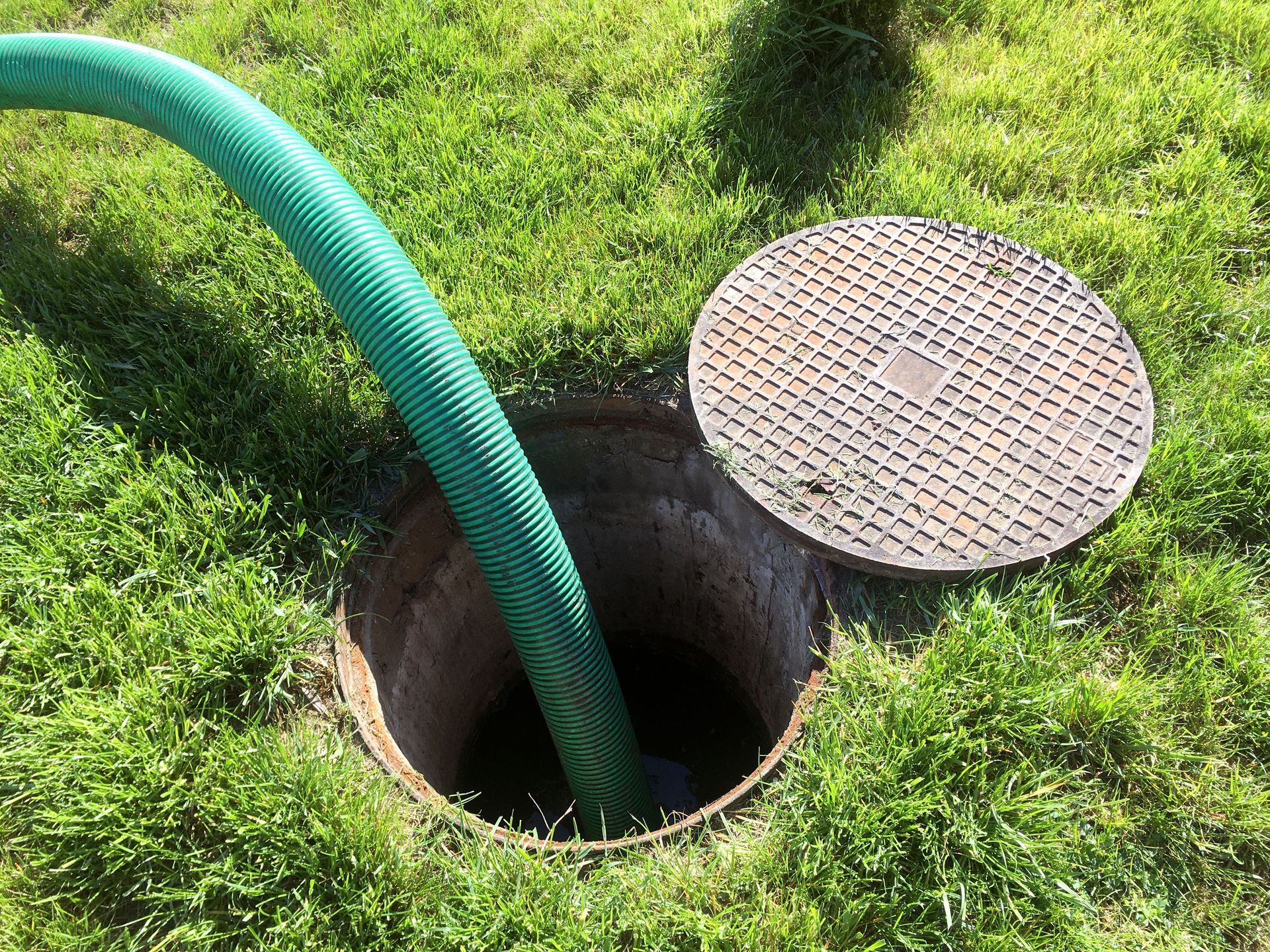
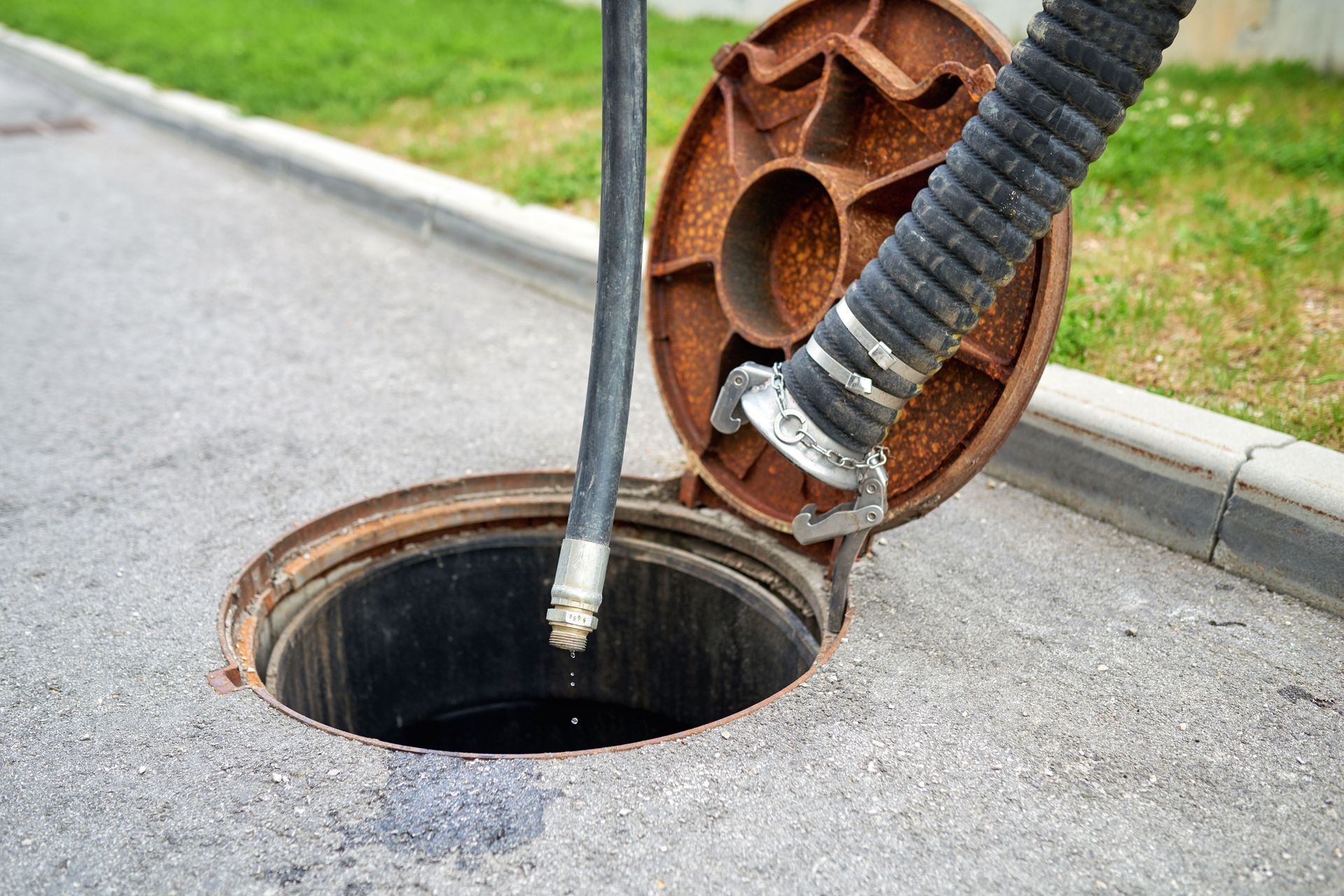
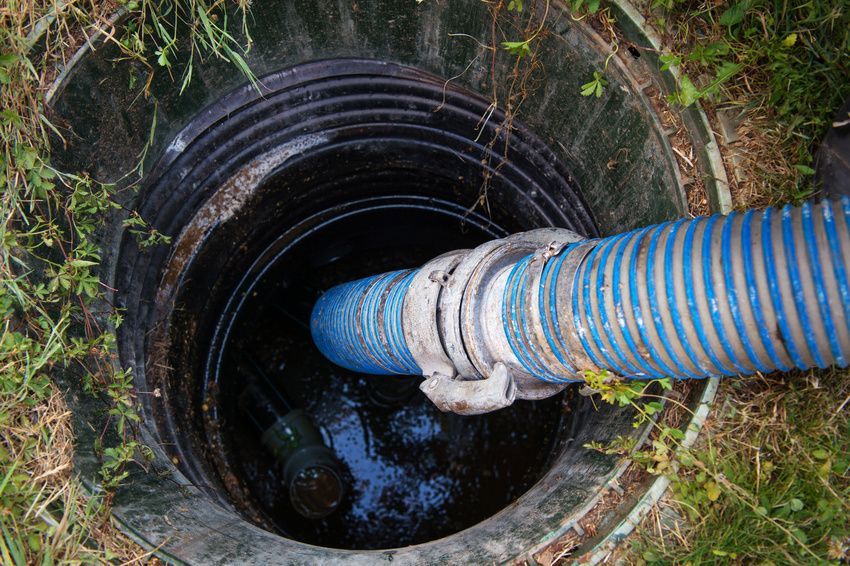
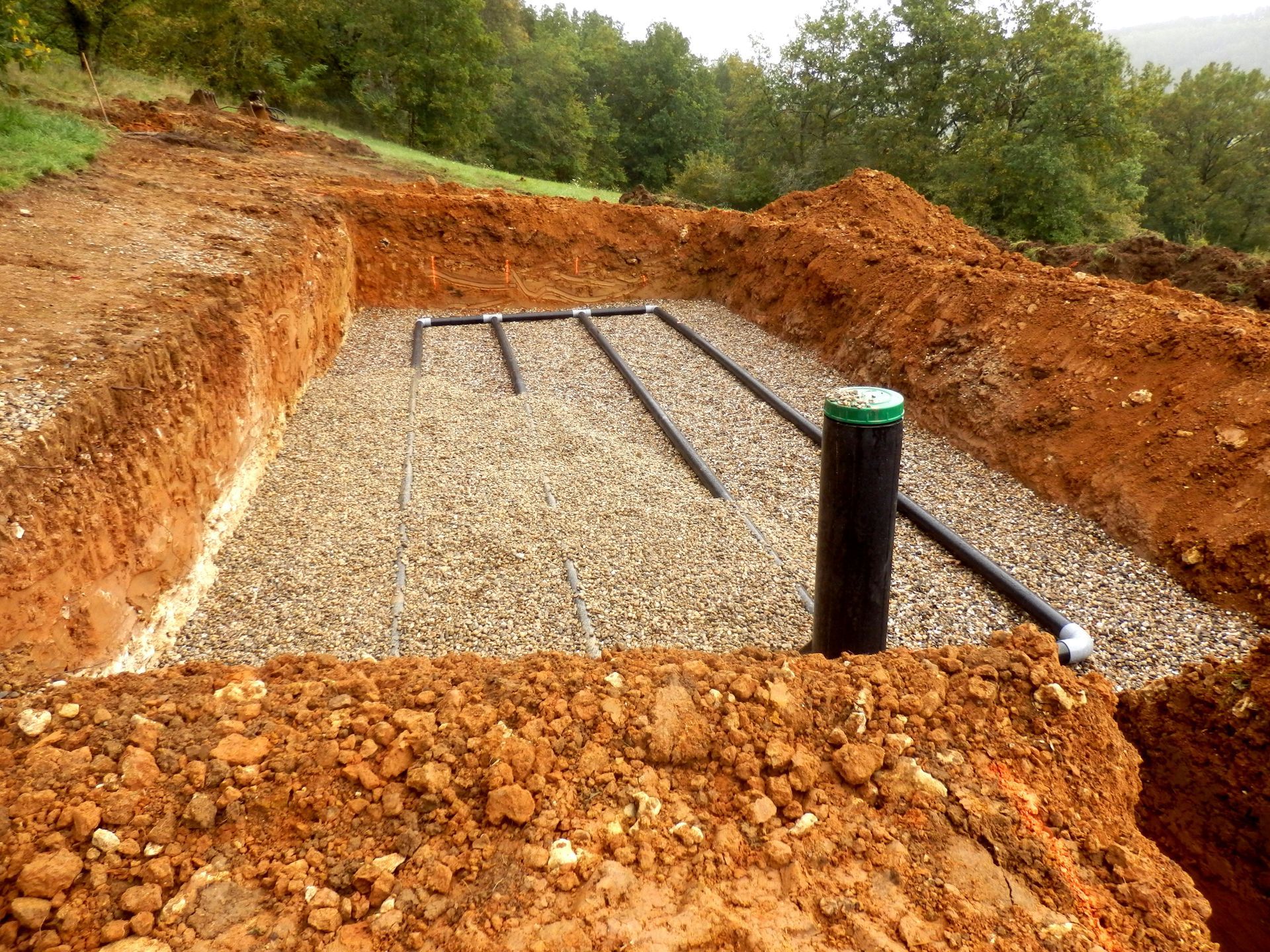
A septic system collects and treats wastewater from toilets, sinks, showers, and other plumbing fixtures. Wastewater enters an underground tank, where heavier solids settle at the bottom and oils and grease rise to the surface. The partially clarified liquid then flows toward a drain field or another approved treatment component.
In a conventional system, the drain field distributes wastewater into the surrounding soil for further treatment. Some installations also include distribution boxes, pumps, or additional treatment equipment.
Each component must function properly to prevent backups and environmental contamination. Understanding how these elements interact demonstrates why careful system design and installation are necessary for long-term performance.
Evaluating Soil and Property Conditions
Before installation begins, professionals evaluate the property to determine whether the soil can adequately treat and absorb wastewater. Soil texture, drainage characteristics, and seasonal groundwater levels influence the type of system that can be installed.
Properties with clay-heavy soil, shallow bedrock, or high water tables may require alternative treatment designs. Sloped terrain and nearby water sources can also affect installation requirements.
An experienced septic company can help coordinate the necessary site evaluations and identify conditions that may complicate construction. These assessments allow property owners to understand potential limitations before committing to a particular design.
Proper site preparation reduces the risk of drainage problems and premature system failure.
Choosing Appropriate Septic Tank Materials
Septic tanks are commonly manufactured from concrete, fiberglass, or polyethylene. Each material has different characteristics that influence transportation, installation, durability, and maintenance requirements.
Concrete tanks are known for their strength and substantial weight. According to This Old House, a concrete septic tank can weigh 24,000 pounds. Transporting and positioning equipment of this size requires specialized machinery and careful handling to protect workers and surrounding property.
Fiberglass and plastic tanks are generally lighter, making transportation and placement easier under certain conditions. However, lightweight tanks may require additional anchoring where groundwater conditions create buoyancy concerns.
Professionals evaluate material suitability alongside local regulations, site conditions, and manufacturer specifications before recommending an installation.
Determining Proper System Size and Capacity
The appropriate septic tank size depends on several factors, including anticipated wastewater flow, the number of bedrooms, and local design requirements. A system that cannot accommodate expected usage may experience frequent backups or other performance problems.
Tank capacity is only one consideration. The drain field must also provide sufficient treatment area based on soil characteristics and the approved wastewater loading.
A qualified septic company can assist property owners in understanding these requirements and coordinating an appropriate system design.
Planning for realistic household needs is particularly important when constructing a new residence or replacing an outdated system. Proper sizing supports reliable wastewater treatment without unnecessarily increasing construction expenses.
Navigating Permits and Regulatory Requirements
Septic installations are subject to state and local regulations intended to protect public health and environmental resources. Requirements may address tank capacity, soil evaluations, property setbacks, approved treatment methods, and inspection procedures.
Many jurisdictions require permits before excavation or installation begins. Some projects also need plans prepared or approved by qualified design professionals.
Failing to follow applicable regulations can result in construction delays, required corrections, or additional expenses. An improperly approved system may also create complications during future property transactions.
Experienced installers understand the importance of documenting each stage of the project and coordinating required inspections. Confirming these obligations early helps property owners avoid preventable setbacks.
Planning Tank and Drain Field Placement
Choosing appropriate locations for the septic tank and drain field requires careful consideration of the property's layout. Installers must evaluate distances from buildings, wells, property boundaries, underground utilities, and environmentally sensitive areas.
The tank should remain accessible for future pumping and inspections, while the drain field needs suitable soil and protection from activities that could cause compaction.
A professional septic company can help assess placement options while accounting for approved plans and local requirements.
Proper positioning also reduces the possibility of damage from vehicles, construction equipment, or future landscaping projects. Thoughtful placement supports maintenance access and helps preserve the system's effectiveness throughout its expected service life.
Using Specialized Installation Equipment
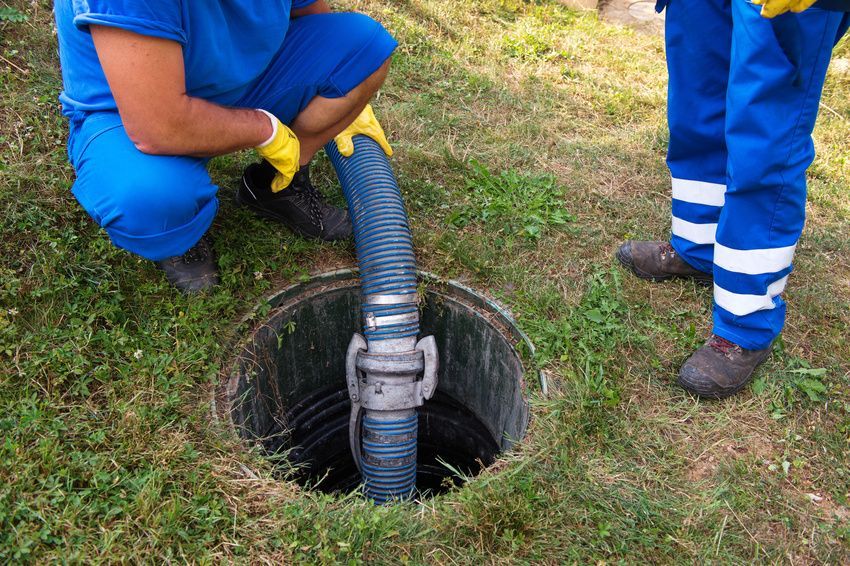
Installing a septic tank requires equipment capable of excavation, grading, lifting, and handling heavy components. Excavators, lifting machinery, and surveying tools help contractors prepare the site and position the system according to approved specifications.
The excavation must provide suitable support for the tank without creating unnecessary pressure on its walls. Proper bedding, alignment, and backfilling help prevent shifting or structural damage after installation.
Different systems also require different installation techniques. Conventional gravity-fed designs rely on properly graded piping, while some alternative systems use pumps or pressure distribution.
Professional installers select equipment and methods based on the approved system design. Their training helps reduce the risks associated with heavy machinery, unstable excavations, and underground utilities.
Evaluating Installation and Maintenance Costs
Septic installation expenses vary according to tank materials, system design, excavation requirements, soil conditions, and local permitting procedures. Properties requiring advanced treatment systems or extensive site preparation may involve additional costs.
A detailed estimate should identify the proposed equipment, labor, materials, and anticipated site restoration. Property owners should also ask which expenses may change if unexpected underground conditions are discovered.
Although professional installation involves an upfront investment, correcting major installation errors can be considerably more expensive.
Financial planning should extend beyond construction. Septic systems require periodic inspections, tank pumping, and occasional component repairs. Accounting for these responsibilities helps property owners prepare for the ongoing cost of maintaining their wastewater treatment systems.
Comparing Professional and DIY Installation
Installing a septic system without appropriate experience presents substantial challenges. Equipment operation, soil assessment, pipe grading, and regulatory compliance require technical knowledge that extends beyond ordinary household maintenance.
Improper installation may damage the tank, prevent wastewater from draining correctly, or create conditions that require extensive excavation to correct.
A reputable septic company can coordinate installation activities and help ensure that work follows approved specifications.
Professional involvement is particularly important because many jurisdictions restrict who may design or install septic systems. Before beginning any project, property owners should confirm licensing and permitting requirements with the appropriate local authority.
Selecting qualified professionals can help reduce construction risks and avoid unnecessary complications.
Investing in Reliable Septic Tank Installation
Professional septic tank installation requires a combination of technical expertise, careful planning, and knowledge of environmental regulations. Proper soil evaluation, tank selection, system placement, and installation techniques help establish dependable wastewater treatment while reducing risks to surrounding property and groundwater.
Property owners planning a new installation or replacing an existing system can turn to All American Septic to discuss their wastewater management needs. Working with an experienced
septic company and following an appropriate maintenance schedule can help support reliable system performance and protect the property's long-term investment.




Share On: