

8 Things Homeowners Often Overlook About Septic Maintenance
A septic system handles wastewater every day, yet much of it remains out of sight. Because the tank, lines, pumps, and drainfield are usually underground, homeowners may not think about maintenance until slow drains, odors, backups, or alarms appear. Regular care is easier to manage when you understand which parts of the system need attention before trouble develops.
Working with local septic companies can help homeowners establish a maintenance routine based on the type of system, household use, and equipment installed. According to HomeGuide, septic tank inspections should generally be performed every 2 to 4 years. That interval is a useful reminder that septic care is ongoing rather than something reserved for emergencies. The following overlooked details can help homeowners take a more proactive approach.
1. You Should Know Where the System Is Located
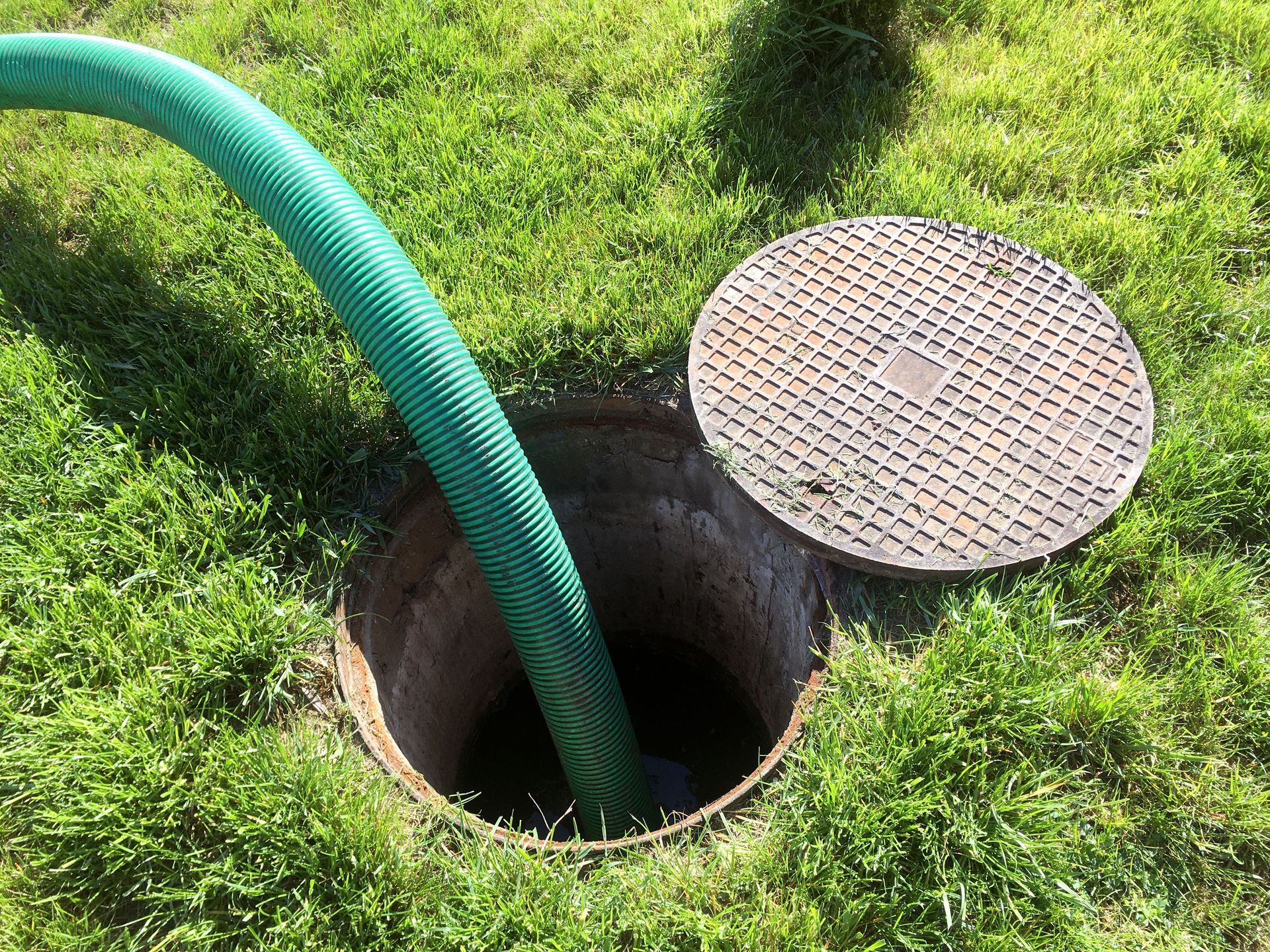
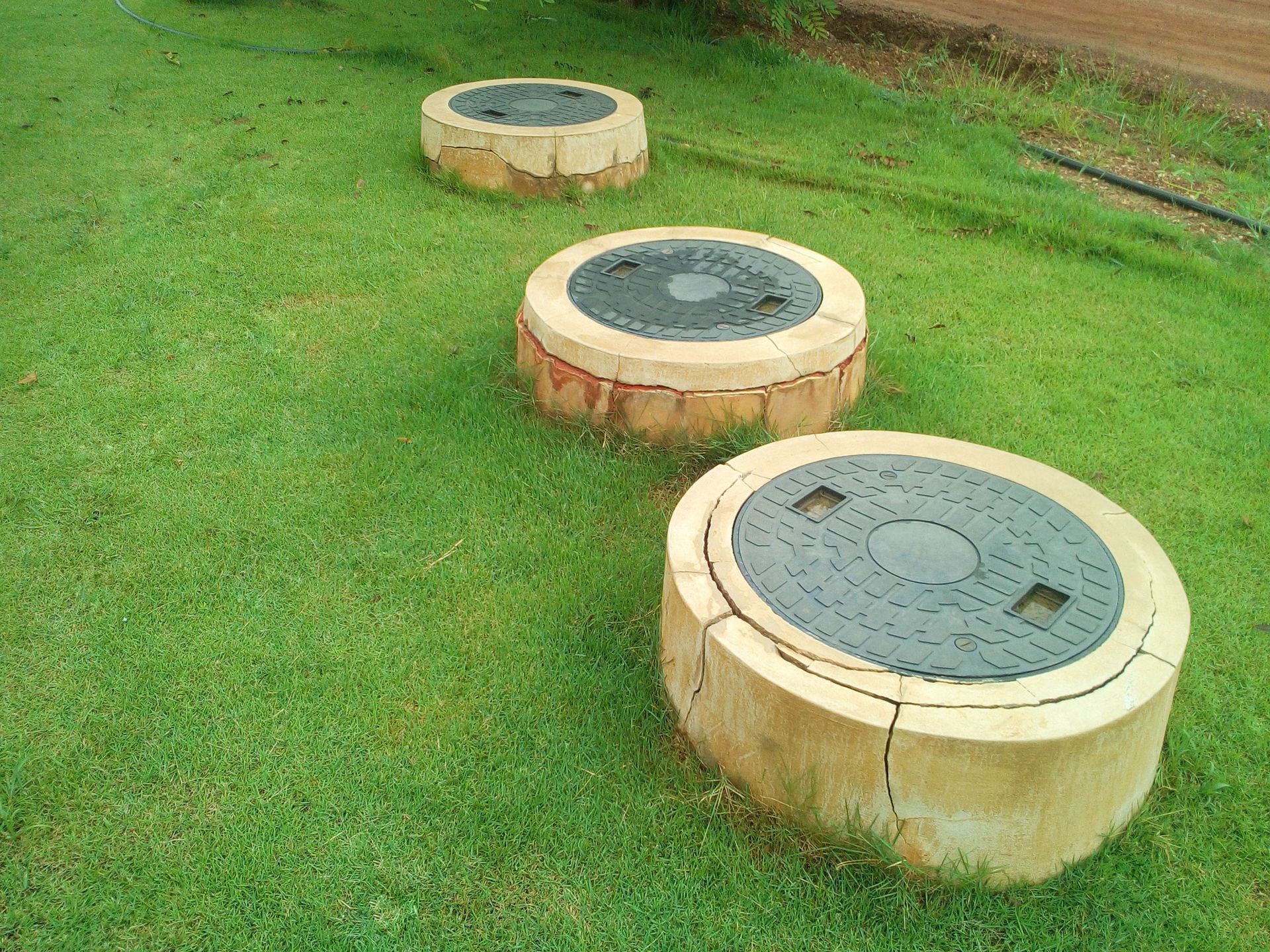
Many homeowners know they have a septic system but cannot identify the tank, drainfield, access lids, or pump components. That can make routine service more difficult and leave important components vulnerable during landscaping or construction.
Keep any system drawings, permits, inspection reports, pumping records, and maintenance documents in one place. If the location is unclear, a septic professional may be able to help identify system components. Knowing the layout can also help technicians begin work more efficiently during an emergency.
Homeowners should avoid digging, building, or making major landscape changes around a septic system without understanding what is below the surface. Knowing the layout can help prevent accidental damage.
2. Inspections Should Happen Even When Everything Seems Normal
A system does not have to be backing up before it deserves professional attention. HomeGuide recommends a septic inspection every 2 to 4 years for routine maintenance, with the appropriate schedule depending on factors such as household size, water use, system type, and local requirements.
During an inspection, a professional can evaluate conditions that are difficult for a homeowner to see, including tank levels, visible damage, pumps, controls, and drainage concerns. Regular assessments give local septic companies an opportunity to identify developing problems before they become obvious inside the house or across the yard.
Keep records of each inspection so future technicians can see previous findings, service dates, and repairs. That history can reveal changes in performance over time.
3. Pumping Frequency Depends on How the System Is Used
Homeowners sometimes assume there is one pumping schedule that applies to every property. In reality, the appropriate interval can depend on tank size, household size, water consumption, waste volume, and the system itself. A home with several occupants may place different demands on a tank than a smaller household.
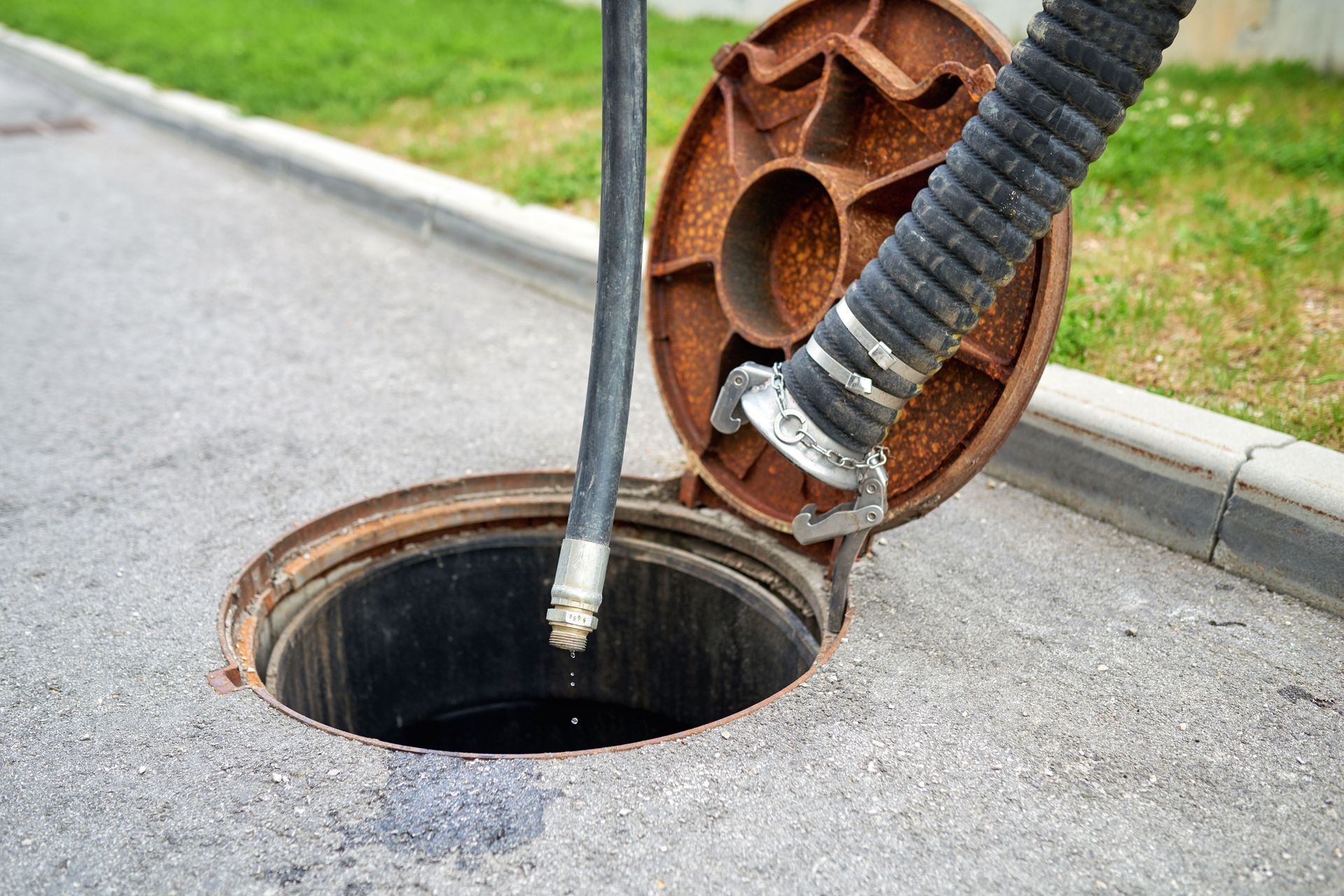
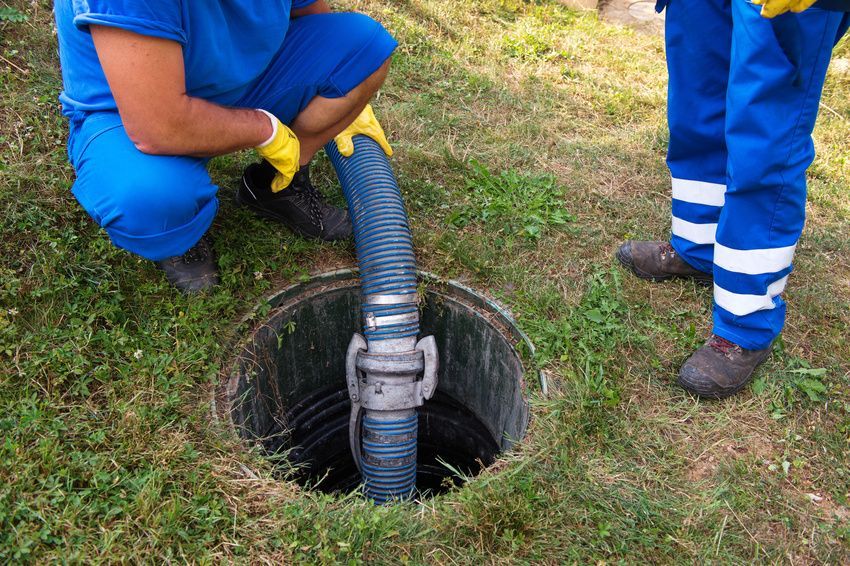
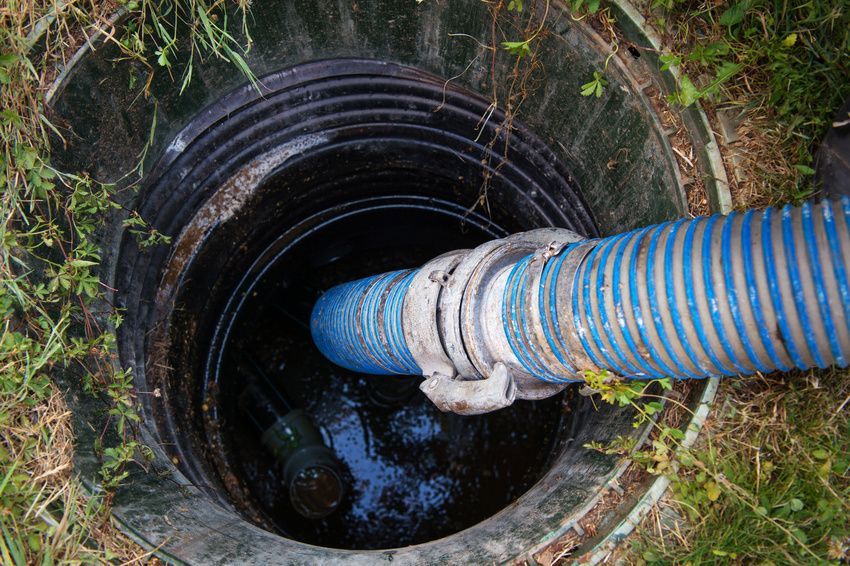
Routine pumping removes accumulated solids that remain in the tank. Waiting until drains slow down or sewage backs up is not a maintenance strategy. Local septic companies can use inspection findings and service history to recommend a pumping schedule that fits the property rather than relying on guesswork.
All American Septic provides residential septic pumping and cleaning along with maintenance services in Harris County and surrounding Texas counties. The company also offers maintenance contracts for homeowners who want a more structured approach to recurring septic care.
4. Water Use Affects More Than the Water Bill
Every shower, toilet flush, load of laundry, and sink sends wastewater toward the septic system. Large amounts of water entering the system in a short period can place additional demand on the tank and drainfield.
Homeowners can help by spreading high-water-use activities throughout the week instead of completing numerous loads of laundry in a short window. Plumbing leaks should also be repaired rather than allowing unnecessary water to flow continuously into the septic system.
The goal is not to restrict normal use, but to avoid unnecessary flow through the system. If changes in water use are followed by drainage or alarm problems, a professional should evaluate the system rather than relying on temporary workarounds.
5. What Goes Down the Drain Matters
A septic system is designed to receive household wastewater and appropriate waste, not everything that fits down a toilet or drain. Wipes, hygiene products, grease, and other materials can contribute to clogs or create additional strain on the system.
Drain problems also should not automatically be treated with whatever chemical product is available at home. Different blockages and septic systems require different approaches. If several drains are slow, backups recur, or an obstruction cannot be cleared safely, professional drain service can help identify the source.
All American Septic provides drain services, septic pumps, sewer pumps, hydro jet cleaning, and root removal. These services may be needed when a problem requires specialized equipment or access to underground lines.
6. The Drainfield Needs Protection Too
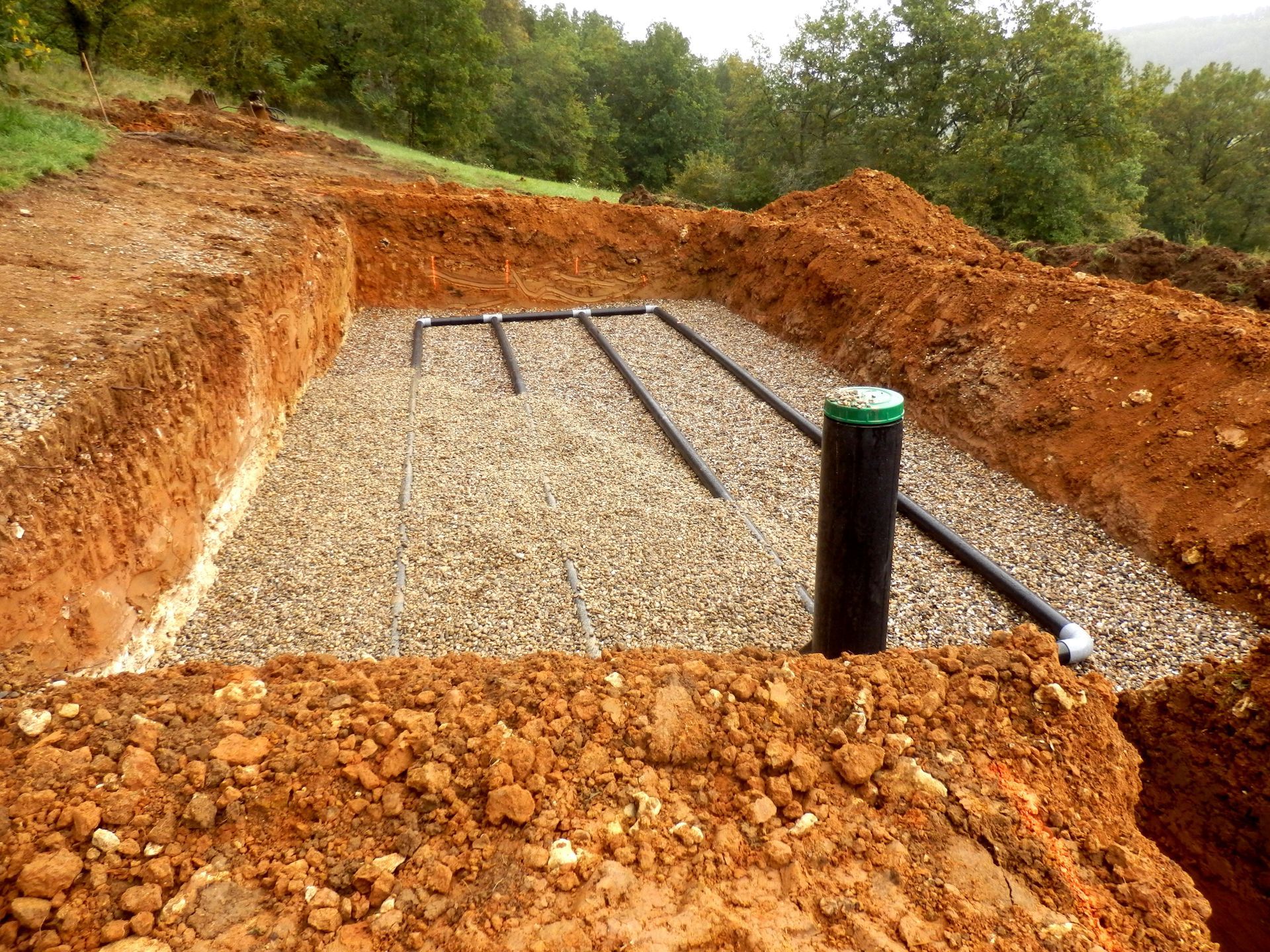
The tank often gets most of the attention, but the drainfield is also an essential part of the system. Homeowners may accidentally place stress on this area by driving vehicles over it, installing structures, changing drainage patterns, or allowing large roots to interfere with underground components.
Keep heavy vehicles and equipment away from the drainfield unless a qualified professional says otherwise. Be thoughtful about landscaping and avoid making changes that could compact soil or direct excessive surface water toward the area.
If roots are affecting septic or sewer lines, local septic companies can evaluate whether professional root removal or another repair is appropriate. Trying to excavate or cut around underground components without knowing the system layout can cause additional damage.
7. Pumps, Alarms, and Mechanical Components Need Attention
Some septic systems rely on pumps, lift stations, alarms, or aerobic treatment components rather than gravity alone. These parts introduce mechanical and electrical equipment that may require specific inspection and maintenance.
An alarm should not be ignored simply because drains are still working. It may indicate a condition such as a high water level or equipment problem that needs professional evaluation. Homeowners should know what their system includes and who to contact when an alarm activates.
All American Septic installs, repairs, and maintains lift stations and provides septic and sewer pump services. Its aerobic system services also include maintenance of mechanical components. Knowing the equipment installed helps homeowners understand the system's maintenance needs.
8. Warning Signs Deserve Prompt Professional Attention
Slow drains, recurring backups, sewage odors, unusual wet areas, alarm activity, or changes around the drainfield can all be reasons to call for professional service. These symptoms can have different causes, so diagnosing the issue correctly matters.
Homeowners should avoid opening tanks, attempting to pump waste, or performing underground repairs themselves. Septic systems involve wastewater, confined spaces, heavy equipment, and components that require professional handling. Calling local septic companies promptly can help determine whether the issue involves pumping, drainage, roots, pumps, or another part of the system.
All American Septic offers same-day service when available and 24/7 emergency service for urgent septic problems. The company has served Harris County and surrounding counties since 1998 and also offers price matching when customers provide a written estimate from a reputable company.
Make Septic Maintenance a Routine Part of Homeownership
Septic maintenance is easier when homeowners stop thinking of the system as something that only needs attention after a backup. Knowing the layout, scheduling inspections, pumping when appropriate, managing water use, protecting the drainfield, and responding to alarms can all contribute to more informed system care.
HomeGuide's recommendation to inspect septic tanks every 2 to 4 years provides a useful baseline, but every property is different. Local septic companies can help homeowners develop a schedule based on the system's design and actual household use. For homeowners in Harris County and surrounding areas, All American Septic provides pumping, cleaning, maintenance, drain, pump, root removal, and emergency services to help keep septic systems operating as intended over the coming years.


Share On: