

How Soil Conditions Affect Septic System Installation
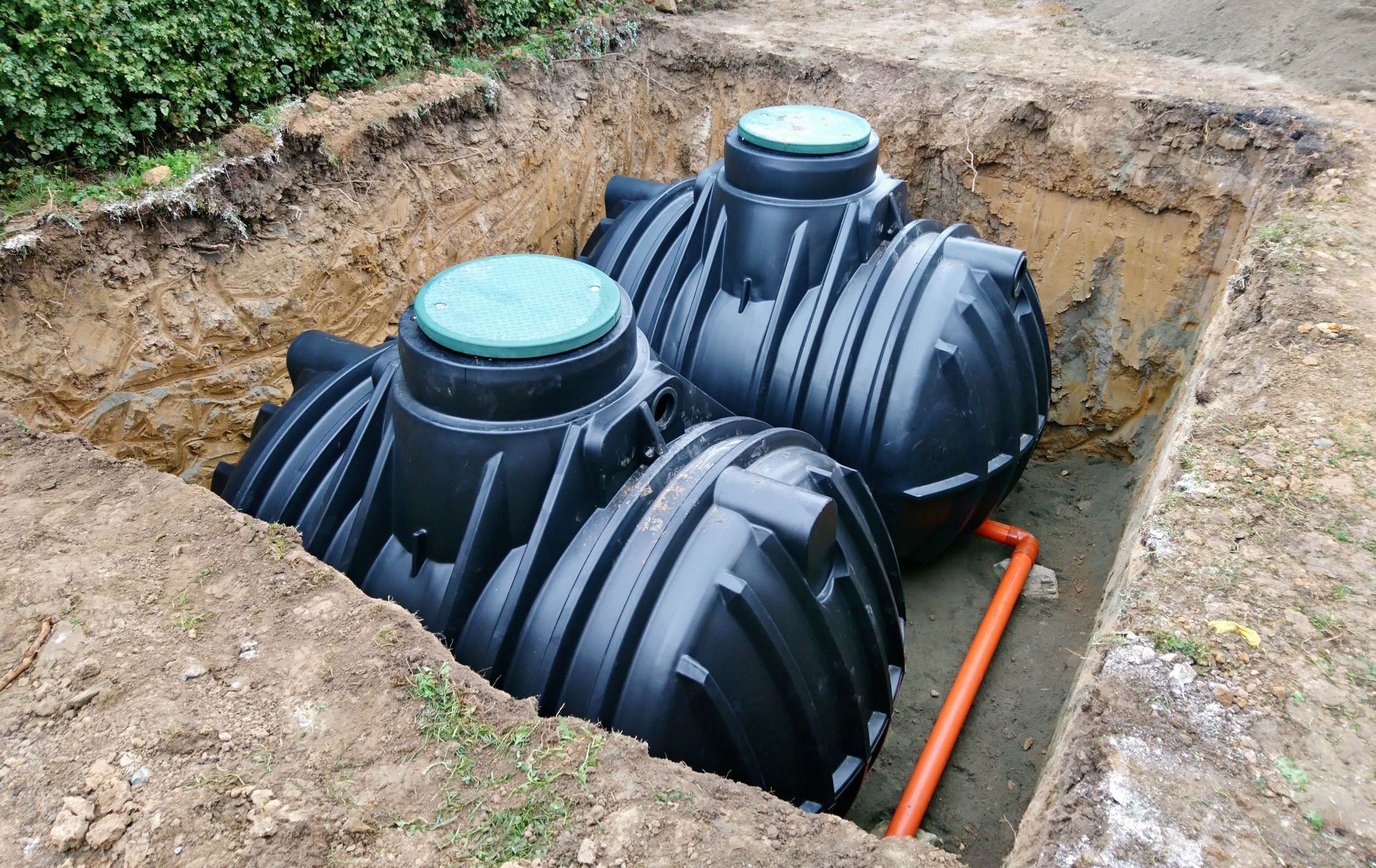
Installing an onsite wastewater treatment system requires far more than merely excavating a trench and positioning a heavy storage tank. The true workhorse of any decentralized wastewater infrastructure is the natural ground surrounding it. The subterranean ecosystem serves as the ultimate living filtration apparatus, neutralizing dangerous biological pathogens, breaking down organic compounds, and dispersing purified effluent safely back into regional groundwater aquifers. According to This Old House, about 25% of American homes have a septic system. For these millions of households, daily plumbing functionality and long-term public health rely directly upon the geological conditions buried beneath their lawns. When subsurface geology cannot accept, transmit, or purify effluent at sustainable rates, catastrophic failures inevitably occur, resulting in hazardous surface pooling, backed-up residential plumbing lines, expensive remediation, and ecological contamination. Because site geology varies dramatically across geographic regions and even individual parcels, professional septic companies must treat every installation as an individualized engineering challenge dictated by local earth characteristics.
Evaluating Soil Texture and Particle Composition
Soil texture establishes the primary framework for wastewater absorption, structural stability, and biological processing. Geologists and civil engineers classify soil according to the varying proportions of sand, silt, and clay particles present within the subsoil matrix. Coarse sand particles possess sizable void spaces between them, allowing moisture to drain rapidly through the strata. While this rapid movement prevents immediate surface pooling, overly coarse sandy profiles can permit untreated liquid to rush downward before beneficial microbial colonies have adequate time to consume dangerous bacteria. Conversely, dense clay consists of microscopic, tightly packed platelets that swell upon contact with moisture. When clay dominates a designated drain field, liquid cannot permeate downward, which traps effluent near the grass surface and causes chronic standing water. Balanced loamy soils, containing an optimal blend of sand, silt, and modest clay components, supply the ideal environment, prompting licensed soil specialists to search specifically for these horizons when assessing potential installation sites.
Measuring Soil Permeability and Hydraulic Conductivity
Hydraulic conductivity describes the velocity at which fluids travel through individual subterranean pores and fissures. High permeability sounds advantageous on the surface, but excessively permeable ground risks contaminating sensitive subterranean aquifers before adequate natural filtration can occur. Conversely, extremely low permeability creates stubborn hydrological bottlenecks throughout the disposal area. If liquid enters the absorption trenches faster than it can naturally disperse into the surrounding substrate, the entire absorption field risks chronic anaerobic suffocation. Without sufficient atmospheric oxygen circulating freely through porous soil voids, beneficial aerobic microorganisms quickly perish, allowing a slimy, impermeable biomat to seal off the infiltration sidewalls completely. Experienced septic companies monitor absorption times closely during comprehensive site evaluations to calculate the precise square footage of drain field tubing required to accommodate typical household output without overwhelming local absorption capacity.
Identifying Local Water Tables and Bedrock Restrictions
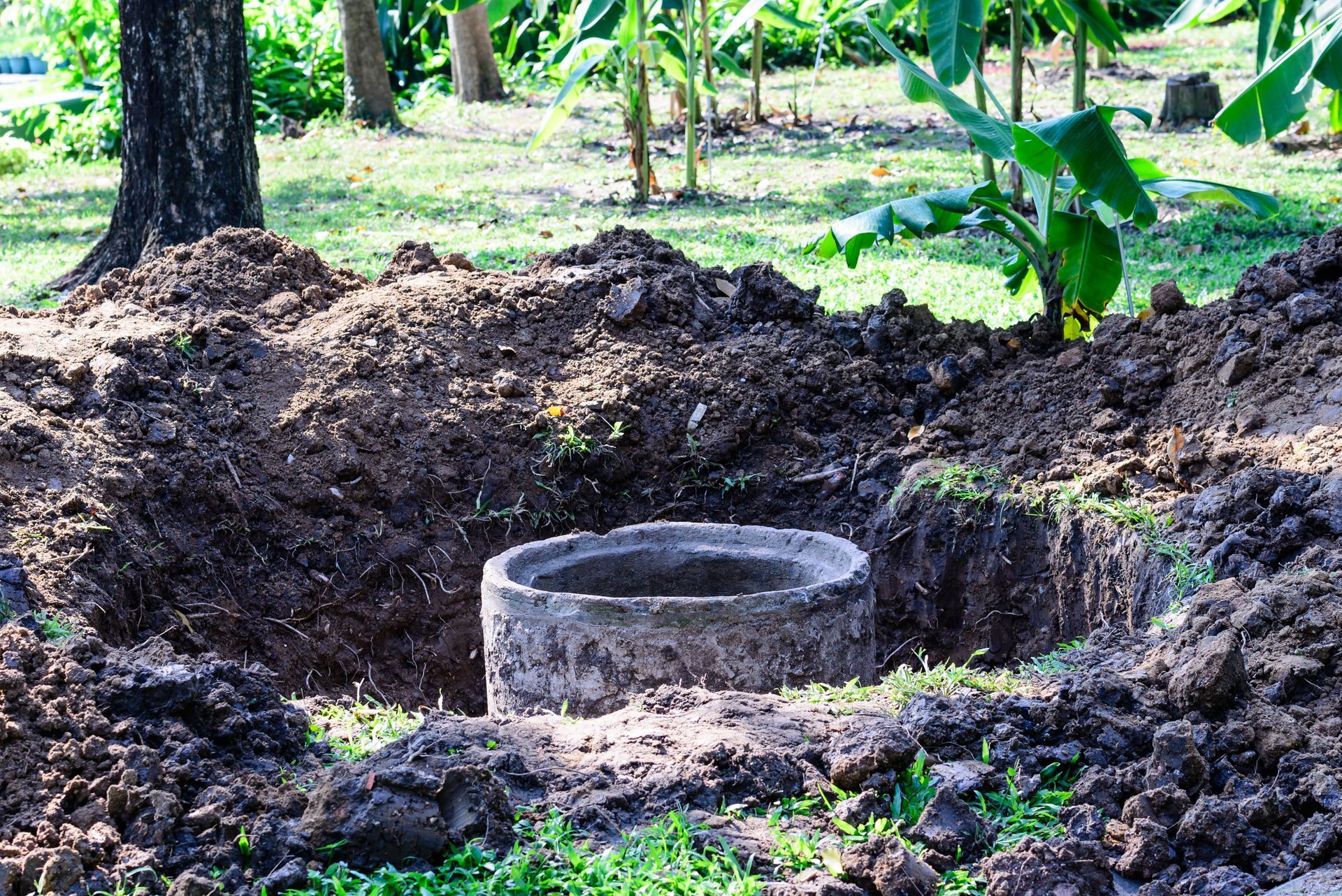
The vertical distance between the bottom of an absorption trench and the highest seasonal water table or solid bedrock layer represents one of the most critical regulatory metrics in wastewater engineering. Most municipal building codes mandate a vertical separation buffer of at least two to four feet of suitable, undisturbed ground beneath the drain field pipes. When a shallow water table encroaches upon this required buffer, untreated sewage mixes directly with pristine groundwater resources, endangering residential drinking wells and adjacent aquatic ecosystems. Similarly, impervious bedrock barriers block vertical percolation entirely, forcing wastewater laterally toward neighboring foundations, basements, or hillside surfaces. Identifying these restrictive horizons requires deep excavation pits, where qualified septic companies carefully examine subsoil color mottling, seasonal saturation indicators, and subsurface ledge configurations before approving an installation perimeter.
Conducting Mandatory Soil Percolation and Profile Tests
Before any municipal health jurisdiction issues a legal building permit for onsite wastewater equipment, certified sanitarians and contractors must perform rigorous subsurface evaluations. The classic percolation test measures the drop rate of clean water inside pre-soaked test holes over specific timed intervals to gauge baseline liquid intake. However, modern environmental regulations increasingly favor comprehensive soil profile analyses conducted inside deep test pits dug with a standard backhoe. A licensed soil scientist or professional excavator evaluates the visible soil morphology firsthand, identifying distinct underground horizons, structural aggregation, textural transitions, and telltale evidence of periodic waterlogging known as redoximorphic features. Reputable septic companies coordinate these percolation assessments alongside local health officials to guarantee that the proposed disposal area satisfies all environmental safety guidelines and structural engineering criteria.
Selecting Engineered Systems for Challenging Ground
When natural soil conditions fail to satisfy standard building codes, property owners do not necessarily have to abandon their residential construction or remodeling plans. Advanced sanitary engineering has produced innovative alternative designs capable of overcoming shallow bedrock, dense clay, or high regional water tables. Elevated sand mound systems build the absorption field above natural grade by importing clean, granular aggregate and capping it with topsoil to achieve the necessary vertical separation. Aerobic treatment units introduce forced oxygen directly into the primary holding vessel to accelerate waste digestion before effluent ever touches native earth. Subsurface drip distribution networks deliver micro-dosed quantities of treated effluent through shallow piping grids, maximizing shallow root uptake and natural evaporation. Many septic companies recommend advanced treatment units or sand mounds when conventional gravity-fed drain fields cannot function safely within restrictive native earth.
Preventing Heavy Equipment and Construction Compaction
The delicate pore architecture of virgin earth takes centuries of natural biological activity and weather cycles to develop, yet careless human activity can destroy it in mere minutes. Operating heavy bulldozers, loaded dump trucks, or tracked excavators across a designated drain field crushes soil aggregates, obliterating the vital microscopic passageways necessary for moisture dispersal and gaseous exchange. Compacted ground behaves much like solid asphalt, losing its hydraulic conductivity and drastically increasing the probability of premature drain field failure. To safeguard these fragile natural assets, conscientious septic companies map out dedicated vehicle paths and erect temporary perimeter fencing around absorption sites prior to beginning residential excavation. Preserving native soil structure during initial site preparation remains far more economical than undertaking costly soil remediation or field relocation later.
Mitigating Seasonal Saturation and Runoff Complications
Subterranean moisture dynamics fluctuate dramatically between dry summer afternoons and prolonged spring rainstorms. During periods of heavy precipitation or rapid snowmelt, surface runoff can migrate downhill across a residential yard, inundating the absorption area and saturating the upper soil layers. When ground reaches complete saturation, it loses all capacity to receive household wastewater, causing sudden backups into low-lying home plumbing fixtures. Effective site design addresses these hydrologic surges through proactive landscape grading, curtain drains, and strategic diversion ditches. Forward-thinking septic companies design customized drainage swales upslope from the absorption field, intercepting shallow groundwater flows and diverting heavy surface runoff away from sensitive underground components before problems ever materialize.
Partnering with Qualified Specialists for Long-Term Value
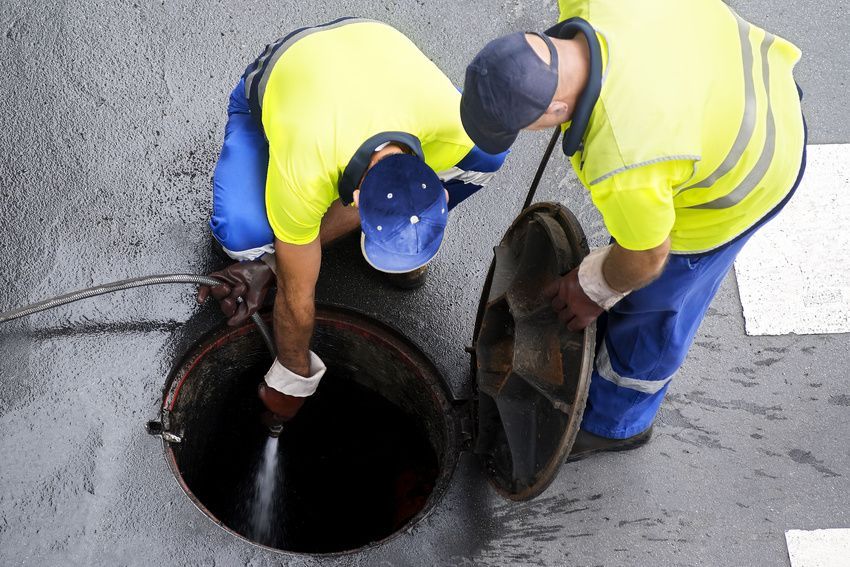
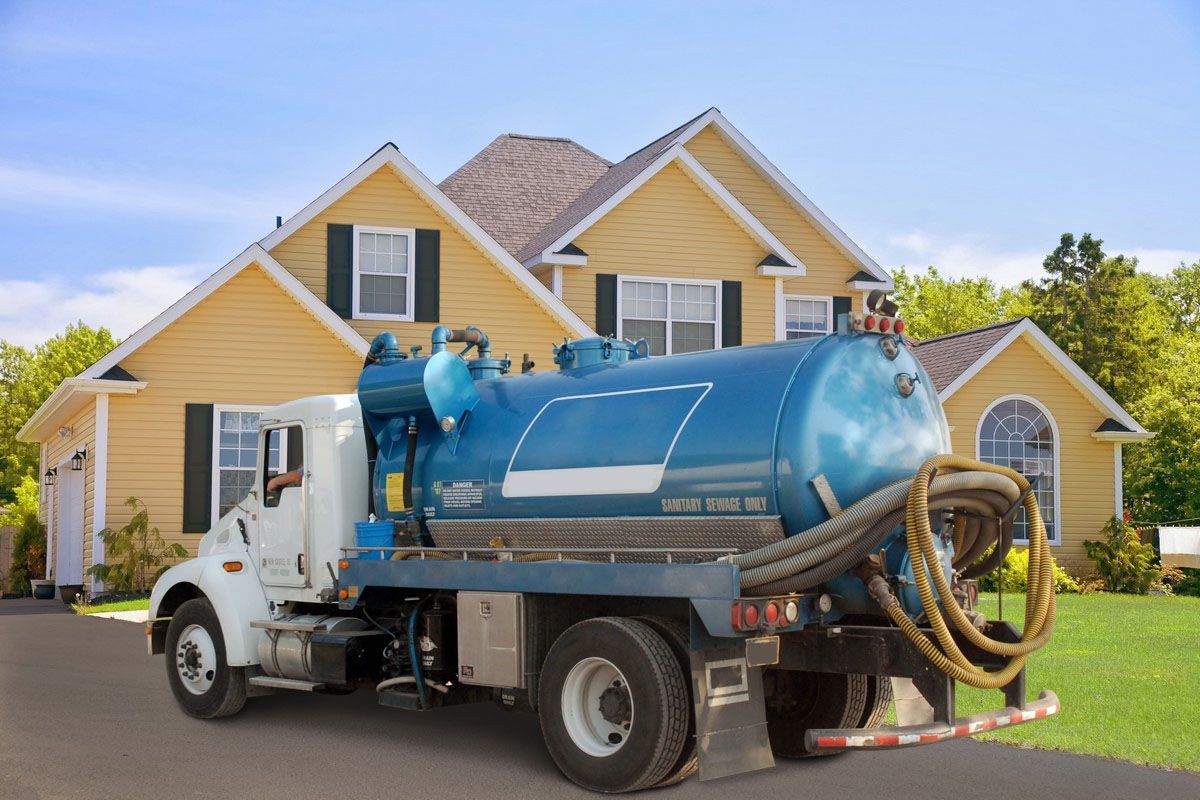
Navigating the intricate interplay between native earth dynamics and wastewater mechanics requires specialized training, precise field instrumentation, and profound regulatory familiarity. When tackling difficult ground, top septic companies evaluate every geological nuance, transforming raw soil test data into robust, long-lasting sanitary infrastructure that protects surrounding ecosystems. Furthermore, collaborating with certified environmental contractors ensures that your system functions reliably for decades while safeguarding your property value and local drinking water purity. Whether you are planning a comprehensive home expansion or upgrading your interior plumbing fixtures to align with an optimized wastewater layout, partnering with seasoned renovation specialists makes all the difference. For expert guidance on transforming your living spaces with premium fixtures and functional designs that respect your home's infrastructure, reach out to Calusa Kitchen and Bath today to schedule your design consultation.
Share On: