

How Regular Septic Maintenance Extends the Lifespan of Your System
The functionality of a home depends on many hidden systems that work tirelessly behind the scenes. Among these, the septic system is perhaps the most critical for maintaining a healthy and hygienic environment. While many homeowners rarely think about what happens after they flush a toilet or run a sink, the complex biological and mechanical processes occurring underground require consistent attention. Understanding how regular maintenance protects this investment is the first step toward avoiding catastrophic failures and ensuring that your property remains safe and functional for decades to come.
A septic system is essentially a small-scale sewage treatment plant located right on your property. It relies on a delicate balance of bacteria to break down waste and a functional drainage area to filter liquid back into the soil. Because these systems are buried and out of sight, it is easy to adopt an out-of-sight, out-of-mind mentality. However, waiting for a backup or a foul odor to appear before taking action is a recipe for expensive repairs. By prioritizing routine care, you can significantly extend the operational life of your tank and drain field, saving thousands of dollars in the process.
Understanding the Scale of Septic Usage
Septic systems are far more common than many people realize, especially in suburban and rural areas where municipal sewer lines do not reach. According to This Old House, about 25% of American homes have a septic system. This means millions of households are responsible for managing their own wastewater treatment. Because so many homes rely on these independent systems, the demand for reliable service is high. Homeowners must be proactive in seeking out local septic companies to perform the necessary inspections and pumping required to keep these systems running smoothly.
The sheer number of homes utilizing this technology highlights the importance of standardized maintenance. When a quarter of the population manages their own waste, the cumulative effect on groundwater and local ecosystems is substantial. Proper maintenance is not just a matter of home value; it is a matter of public health. Ensuring that your system is functioning correctly prevents untreated sewage from contaminating the water table, which protects both your family and your neighbors. Professional oversight is the only way to guarantee that these environmental standards are met.
Preventing Clogs Through Regular Pumping
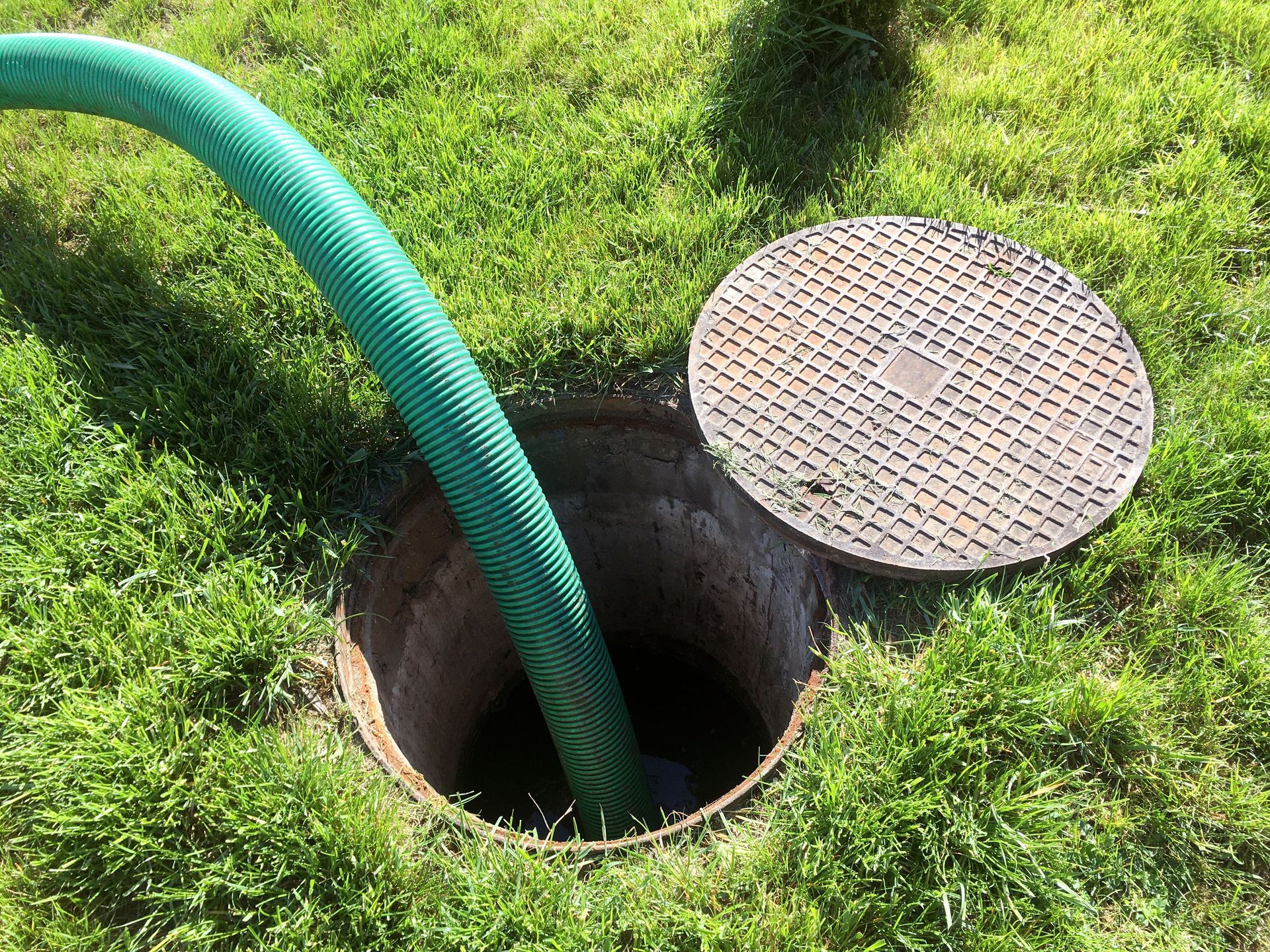
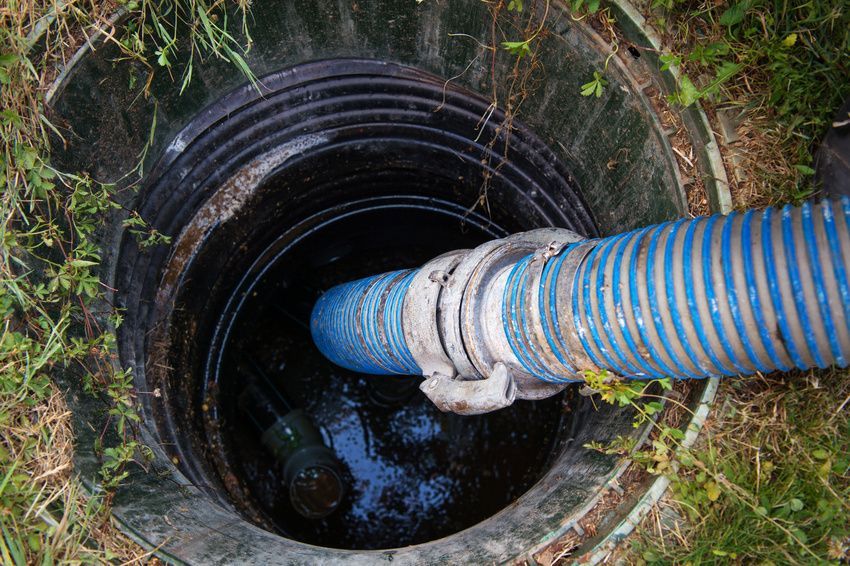
The primary component of septic maintenance is the periodic pumping of the tank. Over time, solids that cannot be broken down by bacteria settle at the bottom of the tank, forming a layer of sludge. If this layer is allowed to grow too thick, it reduces the effective capacity of the tank. Eventually, these solids can be pushed out into the drain field, which is the most common cause of total system failure. Once the soil in the drain field becomes clogged with solid waste, it can no longer filter liquid, leading to surface breakouts and plumbing backups.
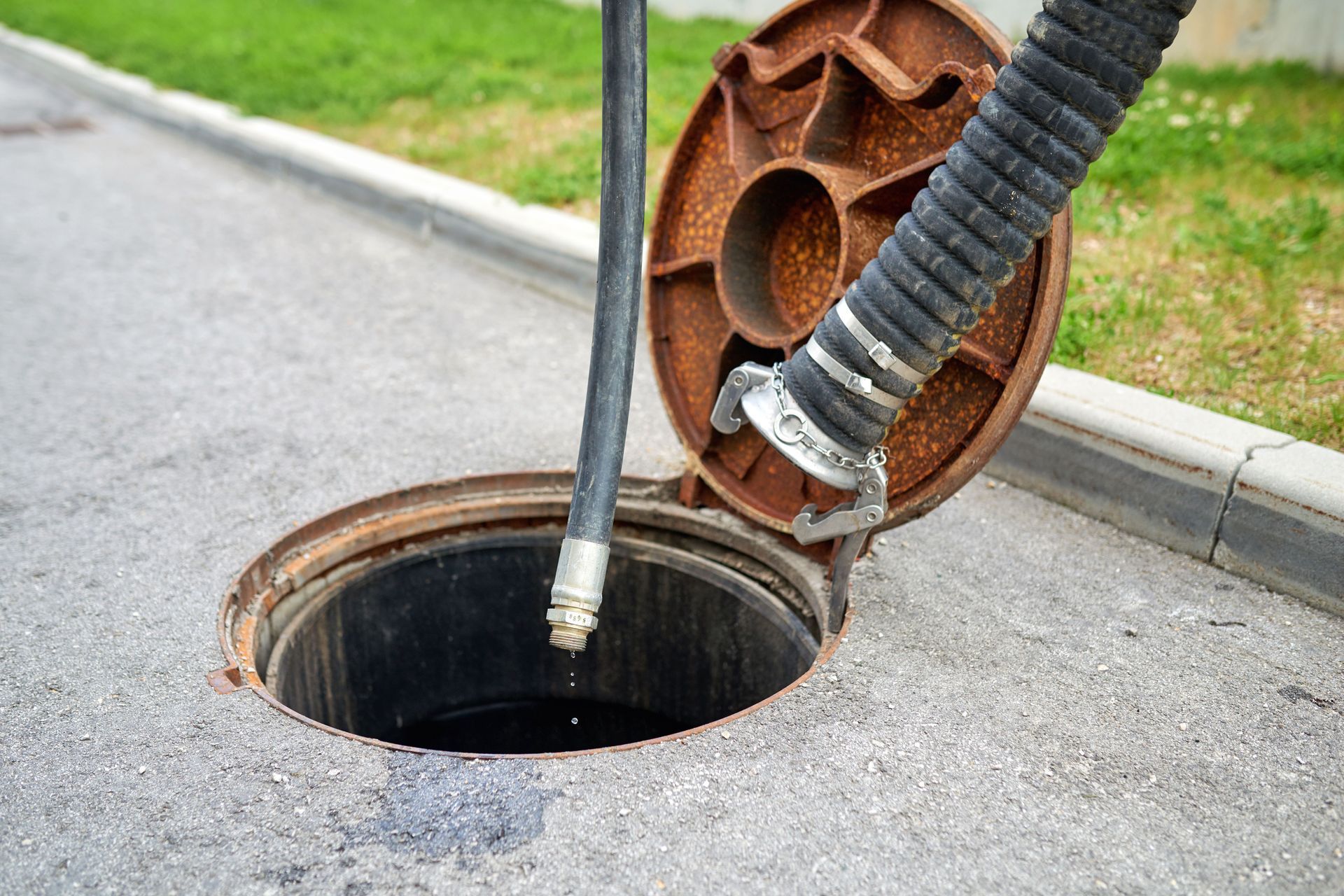
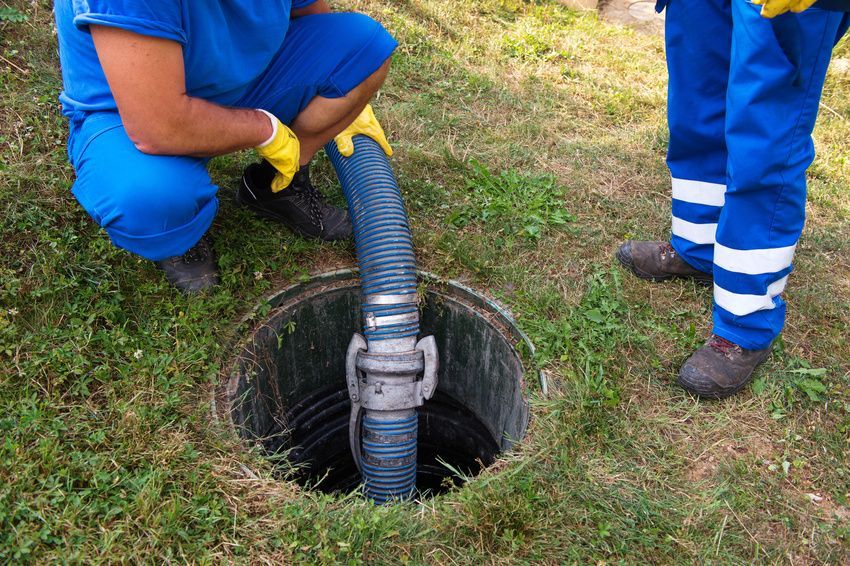
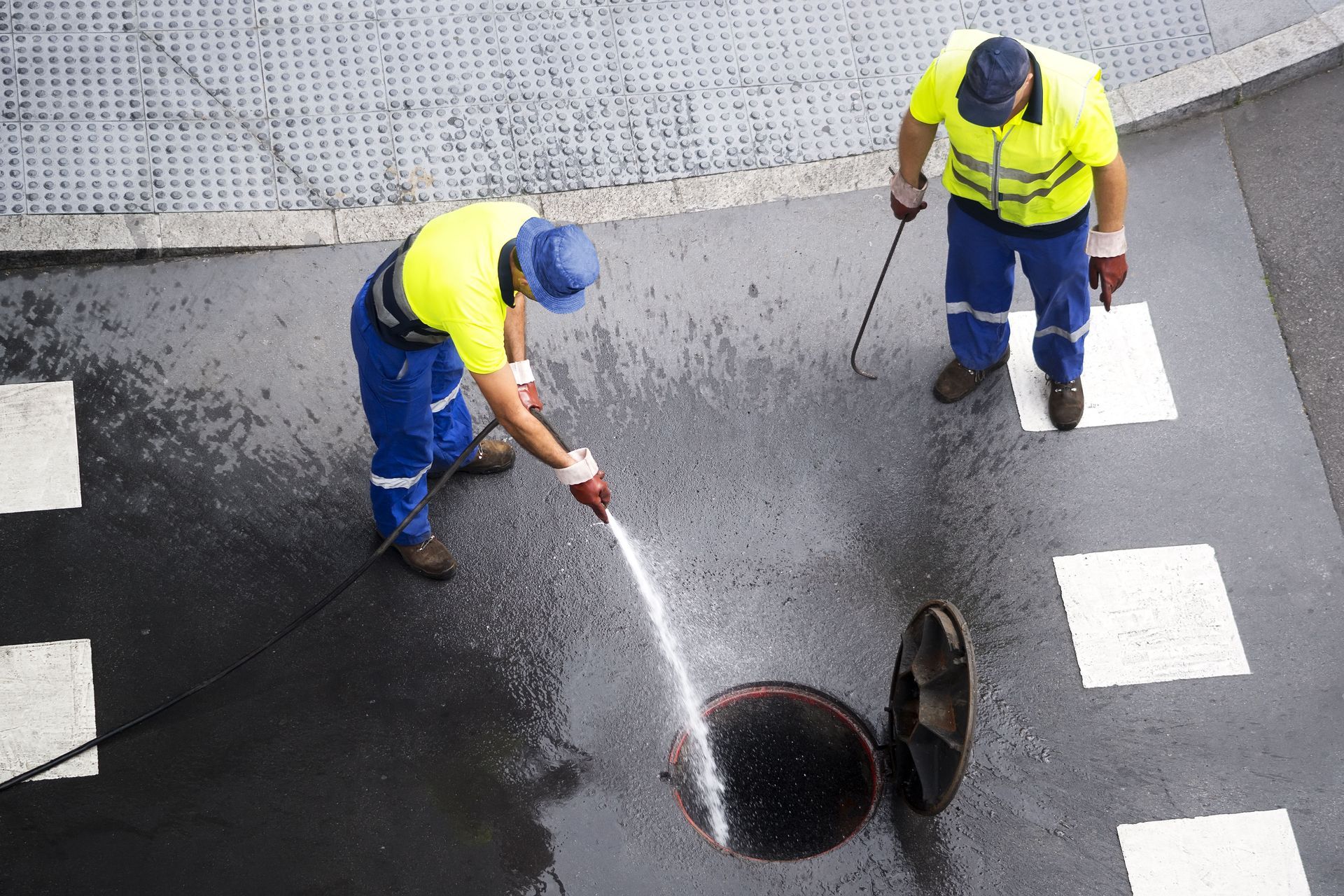
Regularly scheduled pumping by local septic companies removes this accumulated sludge before it can cause permanent damage. Most experts recommend pumping every three to five years, depending on the size of the household and the capacity of the tank. By removing the solids, you provide the system with a fresh start and ensure that only clarified liquid enters the absorption area. This simple, relatively inexpensive procedure is the single most effective way to prevent the need for a full system replacement, which can be an enormous financial burden.
Protecting the Tank's Bacterial Balance
A healthy septic system is a living ecosystem. It relies on billions of beneficial bacteria to digest organic matter and reduce the volume of solids in the tank. Anything that disrupts this biological process can lead to a buildup of waste and a shorter lifespan for the system. Homeowners often unknowingly harm these bacteria by using harsh chemical cleaners, antibacterial soaps, or pouring grease and oils down the drain. When the bacterial colony is compromised, the digestion process slows down, leading to faster sludge accumulation and potential odors.
Maintaining the right environment for these microorganisms is a key part of long-term care. This involves being mindful of what goes into the pipes and avoiding the use of the toilet as a trash can. Items like feminine hygiene products, paper towels, and cigarette butts do not break down and can quickly overwhelm the tank's capacity. Local septic companies can often provide guidance on septic-safe products and habits that support a thriving bacterial population. When the biology of the tank is working correctly, the mechanical parts of the system are under much less stress.
Managing the Health of the Drain Field
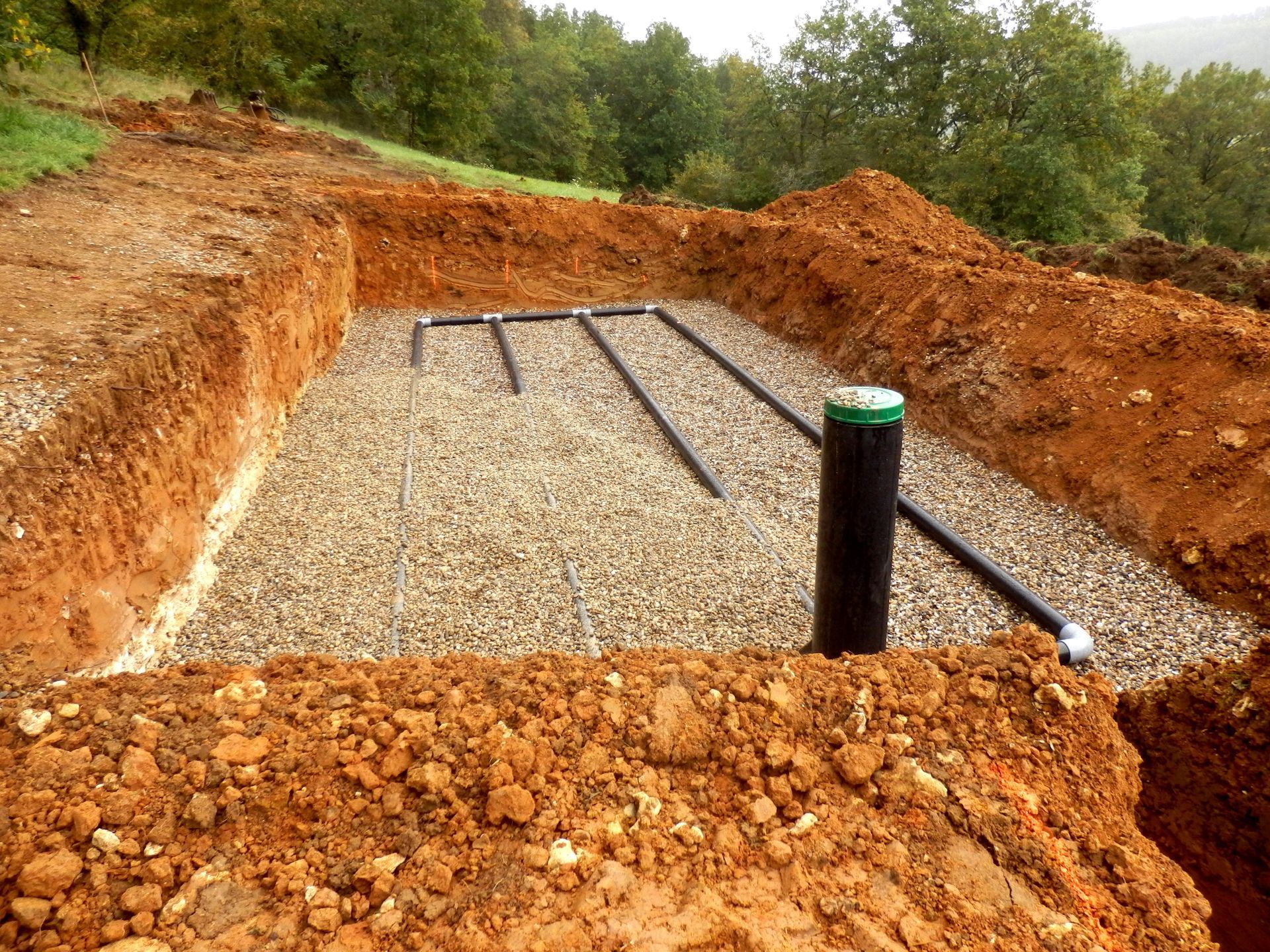
The drain field, or leach field, is the final destination for treated wastewater. It consists of a series of perforated pipes buried in gravel-filled trenches. Its job is to slowly release liquid into the soil, where natural filtration removes remaining pathogens. Because the drain field is sensitive to pressure and moisture, its surrounding environment must be carefully managed. For instance, driving heavy vehicles over the area or planting trees with invasive root systems can crush pipes or cause blockages that are extremely difficult and costly to fix.
Professional inspectors look for signs of stress in the drain field, such as overly lush patches of grass or soggy soil, even during dry weather. They can check for proper distribution of effluent and ensure that the soil is not becoming saturated. Protecting the drain field is essential because while a tank can be replaced relatively easily, a failed drain field often requires a completely new site to be excavated and prepared. Routine check-ups from local septic companies help identify these issues early, allowing for minor adjustments before the ground becomes permanently clogged.
Identifying Issues Through Structural Inspections
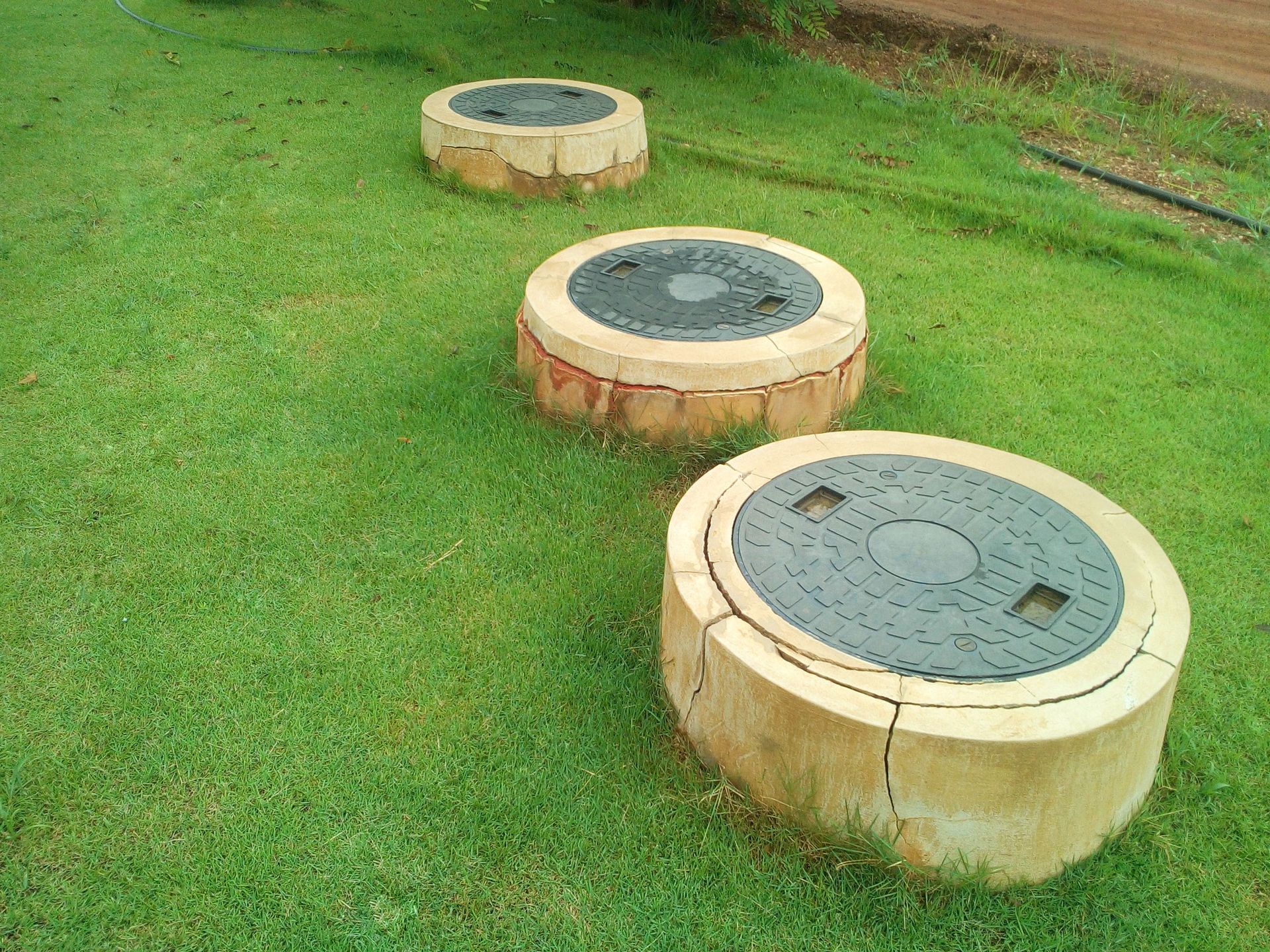
Beyond waste management and biology, the physical components of the septic system are subject to wear and tear. Baffles, which are internal structures that direct the flow of water and prevent solids from exiting the tank, can corrode or break over time. Lids and risers must be inspected to ensure they are watertight and secure to prevent groundwater from leaking in or accidents from occurring. If a baffle fails, solids will flow directly into the drain field, causing immediate and severe problems that could have been avoided with a simple visual check.
During a maintenance visit, technicians examine these components to ensure everything is structurally sound. They also check for cracks in the tank itself, which could lead to leaks or the intrusion of tree roots. Early detection of a broken baffle or a cracked pipe can turn a major disaster into a minor repair. This level of detail is why professional service is so much more effective than DIY methods. Having a clear record of these inspections also adds significant value to your home if you ever decide to sell, as it proves the system has been cared for properly.
Managing a septic system is a responsibility that comes with home ownership, but it does not have to be a mysterious task. By understanding the biological and mechanical needs of your system, you can take simple steps to ensure it lasts for thirty years or more. From regular pumping and structural inspections to mindful water usage and bacterial protection, every action you take adds to the lifespan of your investment. Neglect is the primary cause of septic failure, and the cost of prevention is always a fraction of the cost of a total system overhaul. All American Septic is committed to helping you maintain a high-performing system through expert inspections and reliable service from experienced local septic companies. Contact All American Septic today to schedule your next inspection and protect your home's most vital infrastructure.

Share On: