

5 Common Causes of Septic Tank Failure
Septic systems are crucial components of many residential properties, providing a means to manage and treat wastewater when municipal services are unavailable. However, septic tank failure can lead to significant environmental and financial issues. Regular maintenance and proactive care are essential to avert these problems, as early intervention can prevent the escalation of minor issues into major repairs. With proper understanding and action, homeowners can hire a local septic company to preserve their systems' functionality over extended periods.
1. Poor Design or Installation
One of the most common causes of septic tank failure is improper sizing. When a tank is too small, it can easily become overwhelmed with wastewater, leading to frequent overflows. This situation not only affects system efficiency but can also result in unprocessed sewage leaking into the surrounding environment. On the other hand, excessively large tanks can also be problematic, as they may not allow for the proper breakdown of solid waste.
Another critical aspect is the slope of the drainage pipes. If the pipes aren't appropriately sloped, wastewater won't flow correctly from the household to the tank and the drain field. A too-steep slope can cause water to rush through too quickly, leaving solids behind, while a slope that's too shallow can slow down the flow, leading to blockages. Precise calculations during installation ensure the proper angle, preventing clogs and backups.
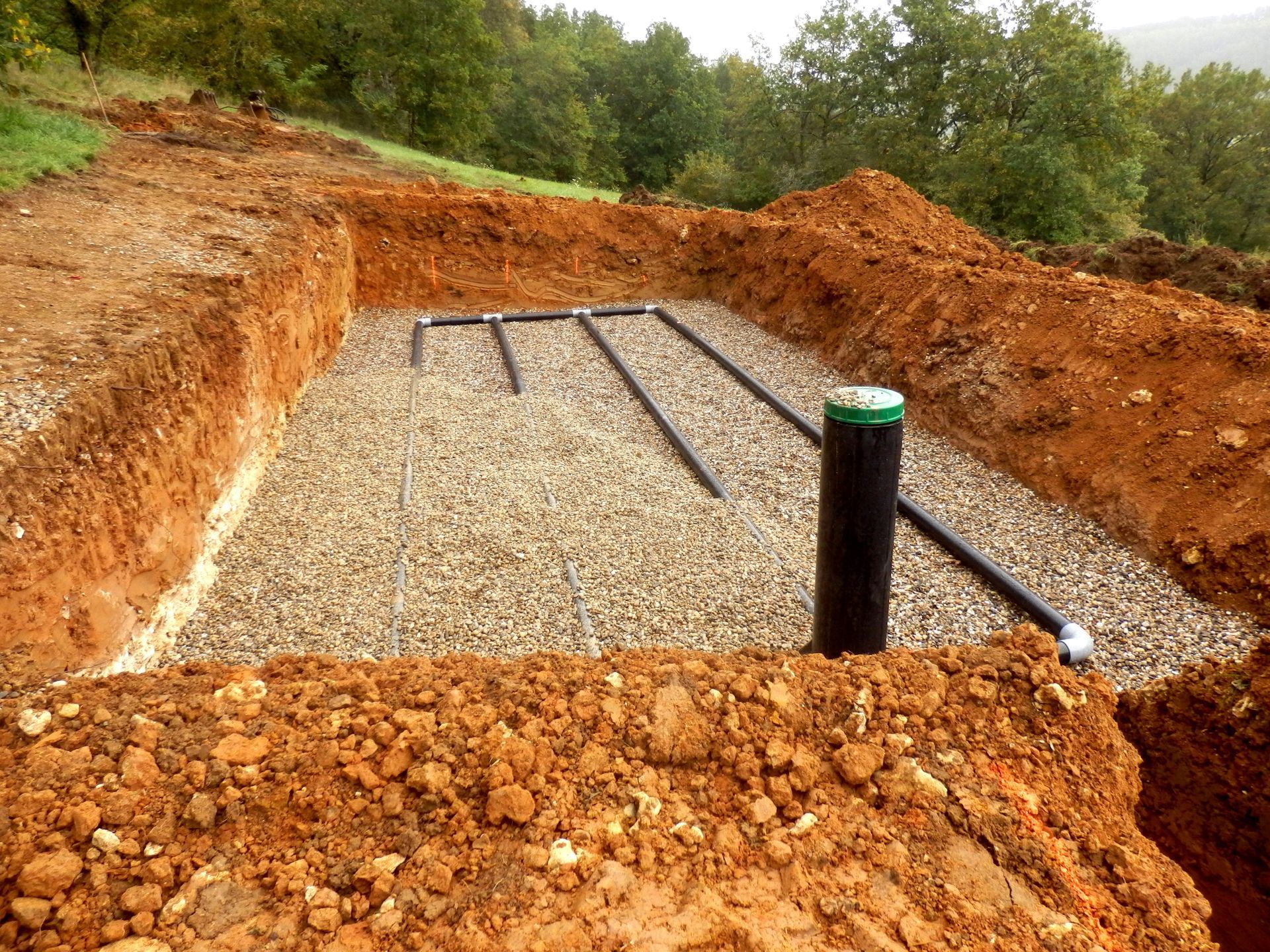
Soil percolation testing is an imperative step in septic system planning. This test determines how quickly water can drain through the soil, directly impacting system efficiency. Inadequate testing can lead to installing a system in unsuitable soil, causing poor drainage and system overload. Effective soil testing ensures the ground can handle the wastewater load without becoming saturated. Having a local septic company install a system on untested or poorly tested soil nearly guarantees failure and environmental harm.
2. Lack of Regular Maintenance
To maintain a septic system, regular pumping is critical. When solids accumulate faster than they can decompose, the tank fills, leading to potential overflows and drain field damage. Regular pumping, typically every 3 to 5 years, helps clear these solids and maintain systemic balance. Neglecting this process can result in faster system failure. Scheduled maintenance prevents costly damages and prolongs the lifespan of the septic system, which, according to Housegrail, typically lasts at least 25 years with proper care.
Early warning signs, such as slow drains, unpleasant odors, or standing water, indicate issues within the septic system. Ignoring these signs exacerbates the problem, leading to substantial repairs or system replacement. Timely intervention can prevent minor issues from escalating into major failures. Homeowners should regularly inspect their systems and respond promptly to any signs of malfunction.
Even operational systems require regular inspections to catch unseen issues. Annual inspections assess the system's condition, including components like the tank, drain field, and auxiliary equipment. Professionals can identify and address minor issues before they escalate, preventing unexpected failures. These inspections also evaluate whether current usage patterns align with the system's design, helping to optimize efficiency.
3. Inappropriate Use of Chemicals
Many homeowners unknowingly damage their septic systems through excessive use of household cleaners. These products, especially those with harsh chemicals, disrupt the natural bacteria balance essential for breaking down waste. Overuse can impede the decomposition process, leading to system inefficiencies and potential failures. Natural cleaning alternatives or septic-safe products offer safer choices and support proper bacteria function. Immediate changes in cleaning habits can significantly enhance system performance.
Grease and oil disposal into septic systems is detrimental, as they solidify and clog pipes, obstructing water flow. These substances also disrupt the bacterial environment, affecting waste breakdown. Proper disposal of kitchen waste, including fats, oils, and grease, is crucial in maintaining system efficiency. Designated collection and disposal systems for grease prevent septic blockages effectively. Prevention measures in the kitchen can avoid lasting damage and ensure smooth septic operation.
Flushing pharmaceuticals down toilets or sinks introduces harmful chemicals to the septic system. These substances can kill beneficial bacteria needed for waste decomposition. Instead, proper disposal methods, such as take-back programs, should be utilized. Hiring a local septic company to protect the bacterial balance within these systems is crucial for their efficiency and longevity. Adopting responsible disposal habits mitigates risk and preserves environmental integrity.
4. Tree Root Intrusion
Trees and landscaping near septic systems can pose significant risks. Tree roots naturally seek out moisture and nutrients, often finding their way into septic systems. Proximity to trees increases the likelihood of root intrusion into tanks and pipes, causing blockages and potential system failure. Careful planning during installation should account for existing vegetation and future growth. Maintaining an appropriate distance from trees helps avoid costly repairs and extends system life.
Tree roots can cause extensive damage to septic systems by infiltrating pipes, leading to clogs and structural damage. As roots grow, they exert pressure on pipes, causing them to crack or burst. Regular inspections can identify early root intrusion, allowing homeowners to take corrective action promptly. Professional services can address substantial root damage, while preventive measures help avoid recurrence. Understanding the nature of root growth and potential impacts on septic systems ensures long-term operational resilience.
Homeowners should proactively identify trees that pose intrusion risks. Selective removal of these trees may be necessary to protect the system's integrity. Experienced arborists, with the help of a local septic company, can assist in evaluating and managing vegetation around septic systems. Safe removal not only prevents anticipated damage but also aids in maintaining system efficiency. Preserving septic systems through responsible vegetation management protects investments and ensures optimal functioning.
5. Water Overload
Water overload often results from excessive use of water appliances, causing the septic system to become overwhelmed. When large volumes of water enter the system too quickly, it can lead to water backing up or the tank overflowing. Implementing water-efficient practices, such as using energy-efficient appliances and spreading laundry loads throughout the week, reduces demand on the system. Balancing water use helps maintain the treatment process's efficiency and prevents waterlogging. Thoughtful water management effectively extends the system's operational life.
Surface water, if not properly managed, can compromise septic system effectiveness. Poor drainage design allows rainwater to pool around the tank, increasing failure risks. An experienced local septic company will know that gutters and landscape adjustments can divert water away from septic installations, preserving their functional capability. Guarding against surface water intrusion into the septic system requires strategic planning and drainage improvements. Effective water management practices ensure the septic environment remains undisturbed and functional.
Greywater diversion systems can greatly reduce the load on septic tanks, yet many homes don't utilize them. By separating greywater (from sinks, showers, and appliances) from blackwater (from toilets), less strain is placed on the septic system. This diversion can improve water infiltration and processing in the tank, preventing overload situations. Installing a greywater system not only conserves water but also enhances septic efficiency. Such measures are eco-friendly solutions for sustainable waste management.
A local septic company can help you understand the common causes of septic tank failure, and implementing preventative measures can significantly prolong the life of your system and protect environmental health. Routine maintenance, education, and responsible usage are key to avoiding costly repairs and replacements. By addressing these areas, homeowners can ensure their septic systems remain functional and efficient over the long term. Proactive measures, proper maintenance, and informed usage patterns collectively forge a path to sustainable septic management. Contact All American Septic today to schedule a professional inspection and keep your septic system running smoothly for years to come.
Share On: